How to Choose the Best AC-DC Rectifier Charger for Your Needs?
Choosing the right AC-DC Rectifier Charger can significantly impact efficiency and performance. In the rapidly evolving electronics industry, the demand for reliable charging solutions continues to rise. According to a recent report by Grand View Research, the global AC-DC power supply market is projected to reach USD 30 billion by 2025. This underscores the critical importance of selecting an appropriate rectifier charger.
When exploring options, understanding the specifications is vital. Not all AC-DC Rectifier Chargers are created equal—voltage, current ratings, and efficiency vary greatly. Many systems demand chargers that are not only powerful, but also compact and energy-efficient. Failing to match the charger with your device can lead to inefficiencies or damage.
Technical knowledge becomes essential when assessing your needs. Consulting expert reviews and industry standards helps in making informed choices. As you delve into this topic, consider both the benefits and potential drawbacks of various models. The right choice can enhance performance, while a poor decision could result in significant setbacks.
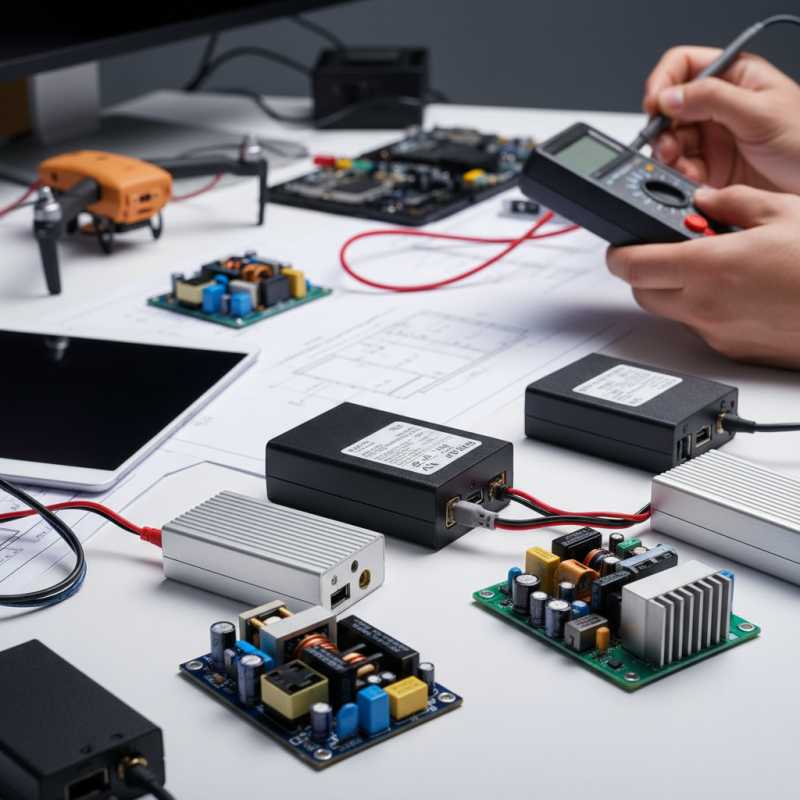
Understanding AC-DC Rectifier Chargers and Their Applications
AC-DC rectifier chargers convert alternating current (AC) to direct current (DC), making them essential in various applications. These chargers find their place in consumer electronics, electric vehicles, and renewable energy systems. According to a report by Research and Markets, the global AC-DC power supply market is projected to grow at a CAGR of 5.34% from 2023 to 2028. This growth indicates increasing reliance on AC-DC technologies.
Choosing the right rectifier charger requires understanding your energy demands. Factors like voltage, current rating, and efficiency are crucial. A higher efficiency rating can lead to energy savings and longer lifespans for connected devices. For instance, chargers with efficiencies above 85% often reduce electrical wastage significantly. Monitoring these details ensures you select a charger that meets your application's specific needs.
Tip: Consider the environmental impact of your charger. Look for models that comply with energy efficiency standards, such as Energy Star. This not only conserves power but also aligns with sustainability initiatives.
Flexibility in design is another aspect to ponder. Many rectifiers come in various form factors. Think about your installation space and cooling requirements. A compact charger might save space but may heat up faster. This trade-off can affect performance over time. Make informed choices by analyzing all factors before purchasing.
Key Specifications to Consider When Choosing a Rectifier Charger
When selecting an AC-DC rectifier charger, it’s crucial to focus on key specifications. One vital aspect is the output voltage. Different applications may require differing output levels. According to industry data, most small electronics operate efficiently between 5V to 12V. In contrast, larger devices, like industrial machinery, may need outputs exceeding 24V. Always consider your specific needs.
Another important specification is the current rating. It indicates how much power your charger can deliver. A charger’s output current must match or exceed the requirements of your device. Reports show that exceeding the required current can lead to overheating and damage. On the other hand, inadequate current can result in inefficient charging and prolonged charge times.
Additionally, the efficiency rating of the rectifier charger matters. Higher efficiency often translates to lower energy loss. In fact, chargers with an efficiency of over 85% are considered reliable. They not only save energy but also reduce heat buildup, extending the lifespan of both the charger and connected devices. If you fail to consider these factors, you may end up with a charger that does not meet your needs.
Comparing Different Types of AC-DC Rectifier Chargers
Choosing the right AC-DC rectifier charger requires understanding the different types available. Common types include switch-mode power supplies, linear power supplies, and transformer-based chargers. Each type has unique benefits and drawbacks. For instance, switch-mode chargers often have a compact design. However, they can generate electromagnetic interference. Linear chargers are reliable but may be bulkier and less efficient.
When selecting a charger, consider your specific application. For low-power requirements, a linear charger may suffice. For high-power applications, a switch-mode supply may be more suitable. Assessing voltage and current ratings is crucial. Ensure the selected charger matches your device's needs.
**Tip:** Always check the efficiency rating. Higher efficiency means less energy wasted and reduced heat generation.
Another aspect to examine is the safety features. Over-voltage protection and short-circuit protection are essential for safeguarding your equipment.
**Tip:** Look for products with certifications. Such certifications ensure that the charger meets safety and performance standards.
Remember that the right charger can enhance your device's lifespan and performance. Testing different chargers can reveal unexpected insights. Keep an open mind while exploring options.
How to Choose the Best AC-DC Rectifier Charger for Your Needs? - Comparing Different Types of AC-DC Rectifier Chargers
| Type | Voltage Range (V) | Current Rating (A) | Efficiency (%) | Typical Applications |
| Linear Rectifier | 10-30 | 1-5 | 70-85 | Low-power devices |
| Switching Rectifier | 5-60 | 2-10 | 85-95 | Consumer electronics |
| Half-wave Rectifier | 5-50 | 1-3 | 50-70 | Simple circuits |
| Full-wave Rectifier | 20-100 | 5-15 | 75-90 | Power supplies |
| Chopper Rectifier | 10-100 | 1-20 | 80-92 | Industrial equipment |
Evaluating Brand Reputation and Product Reviews
When selecting an AC-DC rectifier charger, brand reputation and product reviews are crucial. A reputable brand typically invests in quality and innovation. Look for brands with a long history in the industry. Their experience often translates to better products.
Tips: Check third-party review sites. Real users share their experiences honestly. Look for patterns in feedback. If multiple users report similar issues, consider it a red flag. Customer reviews can reveal both pros and cons. Sometimes, a product’s performance varies based on individual usage.
Remember, not all reviews are equal. Focus on detailed reviews. They often give insights into compatibility and efficiency. Avoid products with numerous vague or overly positive reviews. This could indicate bias. A balanced perspective helps make informed decisions. Consider conducting your research to weigh various opinions. Quality products stem from informed choices.
AC-DC Rectifier Charger Evaluation
Budgeting and Cost Considerations for Rectifier Chargers
When budgeting for an AC-DC rectifier charger, consider both the initial cost and long-term expenses. Industry reports indicate that around 50% of customers overlook maintenance costs. A rectifier's longevity can significantly affect overall budgeting. Typical lifespan ranges from 5 to 10 years, depending on usage and environment. Regular inspections and timely replacements can prevent unexpected expenses.
Performance should align with your specific needs. Efficiency ratings also impact ongoing costs. About 20% of energy is often wasted due to suboptimal chargers. Choose models that boast high efficiency and low standby losses. Learning from experienced users can help identify potential pitfalls. Monitoring energy consumption versus output can reveal hidden costs in your operation.
Customization adds another layer to cost analyses. Tailoring features to your specific application may seem more expensive upfront. However, it often leads to better performance and reduced operational costs in the long run. Research suggests that investing an additional 10-15% on a custom solution can yield a return on investment within two years. Explore options thoroughly before making a final decision.