Choosing a water softener should begin with San Antonio’s water, not a sales pitch. Many local homes receive hard water containing calcium and magnesium. These minerals can leave white scale on faucets, shower doors, and water heaters. A trusted water softener san antonio buyer considers hardness levels, household size, plumbing conditions, and daily water usage.
A professional evaluation can reveal more than a quick showroom conversation. Ask for a current water test, clear capacity ratings, and an explanation of regeneration settings. Certified equipment and documented performance claims deserve closer attention. Look for reputable manufacturers, qualified local installers, and warranties written in plain language. An oversized system may waste salt and water. A small unit may regenerate too often.
Details matter.
Experience also brings practical questions. Where will the softener sit? Is there a nearby drain and electrical outlet? Can the homeowner lift or refill salt safely? Salt-based systems require regular checks, while alternative technologies may address scale without truly removing hardness. That difference is easy to misunderstand. No recommendation is perfect, and online reviews cannot replace an inspection. Even experts can overlook changing family needs or an older water heater. By comparing test results, operating costs, maintenance schedules, and service support, San Antonio homeowners can choose with greater confidence. The best system is not always the most expensive. It is the one that fits the home, protects plumbing, and performs reliably over time.
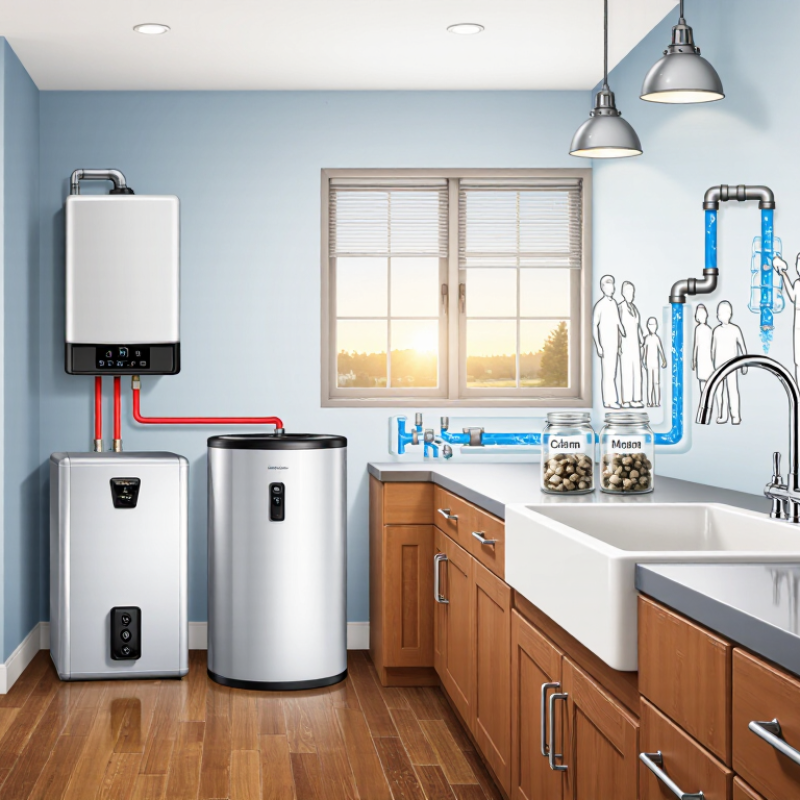
San Antonio homes often receive water containing calcium and magnesium. These minerals create hard water. Hard water is not usually a safety emergency. However, it can leave white scale on faucets, shower glass, and coffee equipment. You may notice stiff laundry, dry-feeling skin, or reduced water flow from clogged aerators. Heated water can make mineral buildup worse inside water heaters and pipes.
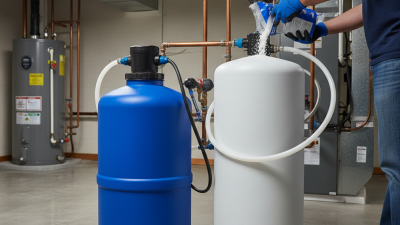
A water softener reduces hardness through ion exchange. Resin beads capture calcium and magnesium, then release small amounts of sodium or potassium. The control valve later rinses the resin during regeneration. Salt-based systems need regular salt, electricity, and a suitable drain connection. Salt-free conditioners work differently and may reduce scale without removing hardness. That distinction matters. Calling every treatment a softener can mislead homeowners.
Before choosing equipment, test your water and confirm its hardness level. Municipal water reports can help, but household results may differ by source or plumbing conditions. An independent test provides better evidence. Sizing should reflect household size, daily water use, and hardness, not only the purchase price. An undersized unit may regenerate too often. An oversized unit can waste capacity and resources. Neither choice is ideal. Check installation space, drainage, maintenance access, and warranty terms. The system will not remove every contaminant, so additional filtration may be necessary. A qualified water professional can explain those limits clearly, although even expert recommendations deserve careful questions.
San Antonio water hardness can vary by water source and location. Use a home water test to confirm your actual level before selecting a softener.
The U.S. Geological Survey classifies water below 60 mg/L as soft, 61–120 mg/L as moderately hard, 121–180 mg/L as hard, and above 180 mg/L as very hard. A water softener is commonly considered when hardness causes scale buildup, dry-feeling skin, spotting, or reduced appliance efficiency.
Measurement: mg/L as CaCO₃. Conversion reference: 1 grain per gallon (gpg) = 17.1 mg/L as CaCO₃. Source: U.S. Geological Survey water-hardness classification.
How to Choose a Water Softener San Antonio Buyers Trust?
San Antonio households should evaluate water hardness before choosing equipment. The U.S. Geological Survey classifies water above 180 milligrams per liter as calcium carbonate as very hard. Local municipal water-quality reports commonly show hardness in this range, although values can vary by supply source and season. A kitchen faucet test is useful. A laboratory test is better.
Do not rely on taste alone. Hard water may leave white scale on shower glass, faucets, and heating elements. It can also make soap feel less effective. Measure hardness in grains per gallon, then record household water use. The U.S. Environmental Protection Agency estimates indoor residential use at about 82 gallons per person daily. Four residents could therefore use roughly 328 gallons each day, though real consumption differs.
Household habits matter. A home with one bathroom needs less capacity than a home with several daily showers. Add guests, laundry frequency, and high-efficiency appliances to the calculation. A softener should match hardness, daily demand, and regeneration timing. Oversizing wastes salt and water. Undersizing may allow scale to return.
One caution remains. Municipal averages are not personal measurements. A private test may reveal different conditions after plumbing, storage, or seasonal changes. Review the test date carefully. Small errors can become expensive decisions.
| Evaluation Dimension | Realistic San Antonio Reference | What It Means for Your Home | Practical Selection Guidance |
|---|---|---|---|
| Water hardness | San Antonio-area water is commonly reported in the hard-to-very-hard range, often about 15–25 grains per gallon (gpg), equivalent to approximately 257–428 mg/L as calcium carbonate. | Hard water can create scale on fixtures, shower doors, water heaters, dishwashers, and plumbing components. | Use a current laboratory or certified test before buying. Water hardness can vary by service area, water source, season, and blending conditions. |
| Hardness classification | Water above 180 mg/L as calcium carbonate is generally classified as very hard under widely used U.S. water-hardness guidelines. | Very hard water usually requires more frequent regeneration than moderately hard water when household consumption is similar. | Size the unit using measured hardness rather than relying only on a general citywide average. |
| Household size | A planning estimate of 50–60 gallons per person per day is commonly used for residential water-demand calculations. | More residents produce more daily softened-water demand and increase the required capacity between regeneration cycles. | Count regular residents and account for guests, teenagers, frequent laundry, and other unusually high-use patterns. |
| Daily hardness load | Estimated daily grain load = hardness in gpg × household gallons used per day. | For four people using 55 gallons each per day and water hardness of 20 gpg: 20 × 220 = 4,400 grains per day. | Use actual meter data when available. A water-usage audit is more accurate than assuming every household uses the same amount. |
| Capacity planning | For the example above, a seven-day untreated load is about 30,800 grains before adding a reserve. | A softener rated only slightly above the calculated demand may regenerate too often during periods of higher use. | Choose a practical working capacity above the calculated load, while avoiding excessive oversizing that can reduce efficiency during low-use periods. |
| Iron and manganese | Iron and manganese may be present in some private or localized water supplies, but their concentrations must be confirmed by testing. | These contaminants can increase the effective hardness load and may cause staining, metallic taste, or operational problems. | Test for iron and manganese separately. Do not assume a standard softener is the correct treatment for elevated concentrations. |
| Water pressure and flow | Residential fixtures commonly need adequate flow for simultaneous use, such as a shower running while a toilet refills or a washing machine operates. | A restrictive control valve or undersized connection can reduce pressure and affect multiple fixtures. | Compare the unit's service-flow rating with the home's peak demand. Ask for pressure-loss information at the expected flow rate. |
| Regeneration frequency | Regeneration depends on hardness, water use, resin capacity, salt dosage, and reserve settings rather than household size alone. | Very frequent regeneration can increase salt and water consumption; very infrequent regeneration may indicate excessive oversizing or incorrect programming. | Prefer demand-initiated regeneration and programmable reserve settings over a fixed schedule whenever appropriate. |
| Salt and water efficiency | Efficiency varies by resin volume, salt dose, operating settings, and actual water quality. | Two units with similar advertised capacity can use different amounts of salt and rinse water over time. | Compare tested or documented capacity at a stated salt dose, not just the maximum headline grain rating. |
| Kitchen drinking water | Softening exchanges calcium and magnesium for sodium or potassium, depending on the regeneration material used. | Some households prefer untreated or separately filtered drinking water, particularly when sodium intake is a concern. | Plan the plumbing layout carefully and follow applicable local requirements for any drinking-water filtration or reverse-osmosis equipment. |
| Drain and installation requirements | Regeneration requires a suitable drain connection, an electrical outlet for many automatic controls, and adequate space for the mineral tank and brine tank. | Limited installation space or an unsuitable drain can affect performance and maintenance access. | Confirm drain routing, outlet location, bypass access, floor clearance, and service space before selecting the equipment. |
| Best verification method | A current water test should report hardness in mg/L as CaCO₃ or gpg, plus iron, manganese, pH, and other relevant indicators when applicable. | Testing reduces the risk of choosing a unit that is too small, unnecessarily large, or unsuitable for the water chemistry. | Use a recent utility-quality report for general planning, then confirm the home's actual water with a properly collected laboratory or certified test sample. |
In San Antonio, hard water may leave chalky rings on faucets and make soap feel sticky. A clear glass can still hide high mineral levels. Test the water before comparing equipment. Measure hardness, iron, pH, and daily household use. This small step matters. Water reports and home test kits can differ, so confirm unusual results with an accredited laboratory. That extra check may prevent an expensive mismatch.
Ion-exchange softeners remain a practical choice for genuine hardness. They replace calcium and magnesium with sodium or potassium ions. Choose metered-demand regeneration instead of a fixed timer. It regenerates when needed and can reduce water and salt waste. Salt-free conditioners may limit scale, but they do not remove hardness. Electronic or magnetic claims deserve careful scrutiny. Independent performance data matters more than impressive promises.
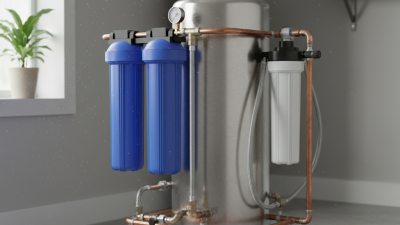
Look for a unit sized to your hardness level, flow rate, and household demand. Useful features include a bypass valve, clear controls, overflow protection, and accessible maintenance parts. Check recognized safety certification and a written service policy. A tight utility space also needs a nearby drain, power outlet, and enough room for refilling. I would not automatically choose the largest tank. More capacity can increase cost and encourage poor settings. Hardness may also vary seasonally, so review performance after installation instead of assuming the first setting is perfect.
Choosing a water softener in San Antonio requires more than matching a tank to your household size. The U.S. Geological Survey classifies water above 180 mg/L as very hard. Check your latest municipal water-quality report before estimating demand. Then convert hardness into grains per gallon. A two-bathroom home may need a different capacity than a four-person home with frequent laundry.
Compare usable capacity, not the largest advertised number. Salt efficiency matters too. NSF/ANSI 44 evaluates residential softeners by capacity, pressure loss, and salt use. A system removing more hardness per pound of salt can reduce operating costs. Demand-initiated regeneration is usually more practical than fixed weekly cycles. However, oversized equipment may regenerate too rarely, allowing stagnant water and poor performance. Bigger is not automatically better.
Tips: Ask for tested capacity at the selected salt setting. Confirm the drain line has an approved air gap. Leave room around the brine tank for cleaning. During installation, inspect the bypass valve and shutoff access. The U.S. Environmental Protection Agency reports that household leaks can waste over 1 trillion gallons nationwide each year, so check fittings after installation. Clean the brine tank periodically, but avoid adding salt blindly. A half-empty tank is not always a problem; a salt bridge can hide underneath. Keep service records, even if maintenance feels unnecessary.
Choosing a trusted water softener provider in San Antonio starts with listening, not selling. A reliable company should ask about your home's water source, household size, plumbing, and daily water use. City water and well water can create different treatment needs. Ask for an on-site test that explains hardness, iron, and possible sediment. A quick sales pitch is not enough.
Look for trained technicians, clear licensing information, written estimates, and a service address you can verify. Experience matters when equipment must fit older pipes, limited space, or a home's drainage setup. Request details about installation, salt delivery, filter changes, warranty limits, and emergency support. The best provider explains what the system cannot remove. That honesty builds trust. Read recent local reviews, but do not treat every rating as proof. Ask for references from San Antonio customers with similar water concerns.
A dependable quote should separate equipment, labor, taxes, and future maintenance. Be cautious when pressure, vague discounts, or same-day decisions replace evidence. A common mistake is choosing a low price and overlooking service delays. That choice can become expensive. Still, no provider is perfect. Ask how complaints are handled and whether technicians document readings before recommending equipment. Compare two or three written proposals, then choose the team that answers practical questions without exaggeration.