How to Choose Standard Aluminum Profiles for Your Projects?
Choosing the right Standard Aluminum Profiles for your projects can significantly impact their success. Whether you are designing a structure or creating an intricate product, the right choice matters. This guide aims to streamline your decision-making process.
Standard Aluminum Profiles offer versatility and durability. Each type has specific attributes that cater to different needs. However, not every profile will suit every project. Reflecting on your project requirements is crucial. Consider factors such as load-bearing capacity, environmental conditions, and aesthetic appeal.
Understanding the various options available can be daunting. It's essential to research thoroughly and consult experts when in doubt. Sometimes, trial and error may be part of the process. Keep an open mind and be ready to adapt your choices as you learn more. Your final selection of Standard Aluminum Profiles should enhance your project's functionality and design.
Understanding Standard Aluminum Profiles and Their Applications
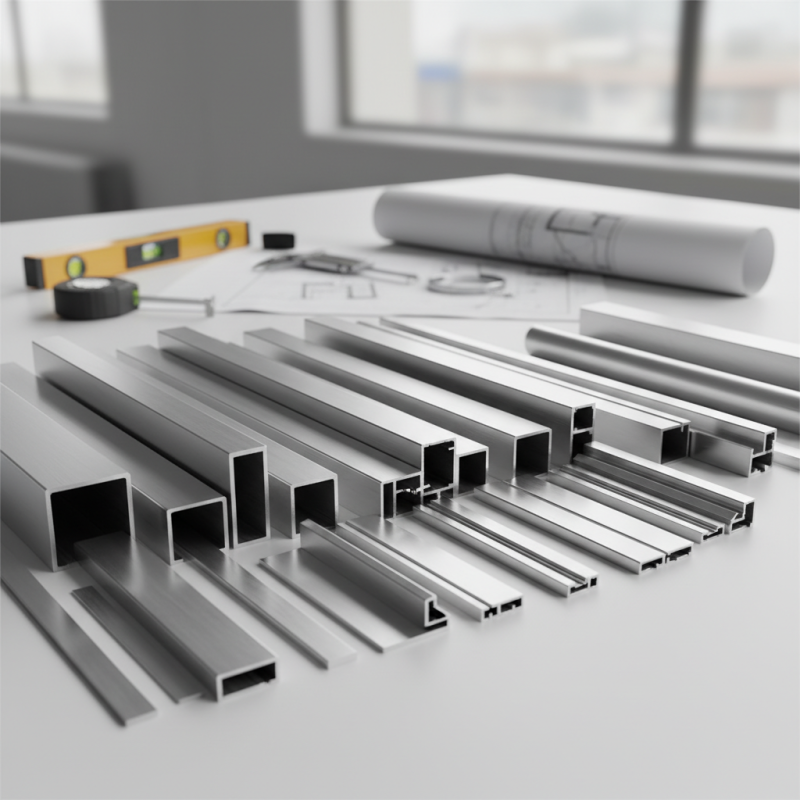
Aluminum profiles are versatile materials used in a variety of applications. They are lightweight, durable, and resistant to corrosion. Understanding the different types of standard aluminum profiles is crucial for any project. These profiles come in various shapes, such as angles, channels, and tubes. Each shape serves specific functions, making it essential to choose the right one.
Applications of aluminum profiles span industries. In construction, they are used for framing and support structures. In manufacturing, they play a role in machine guards and enclosures. Their adaptability allows for custom solutions in many fields. However, it’s important to evaluate the load-bearing capacities and environmental factors. Sometimes, the chosen profile may not fit perfectly in the intended design, requiring adjustments.
When selecting aluminum profiles, consider fabrication options too. Not every profile is easy to work with. Some may require special tools or techniques. Reflect on the overall project requirements and your own experience level. Researching and consulting with experts can provide valuable insights and help prevent oversights in your projects.
Identifying the Key Factors in Selecting Aluminum Profiles
When selecting aluminum profiles for your projects, several key factors must be considered. Strength is essential. Aluminum alloys vary significantly in tensile strength and durability. According to industry reports, 6061 and 7075 alloys are particularly popular due to their favorable strength-to-weight ratios. Choosing one over the other can impact structural integrity and durability.
Another vital aspect is the profile's intended application. For instance, architectural projects may require specific finishes for aesthetics, while industrial applications prioritize functionality. Understanding these requirements can significantly affect cost and performance.
**Tip:** Always consult with a material expert when in doubt about which alloy to choose. Their guidance can prevent costly mistakes.
Design flexibility is another factor. Aluminum profiles can be easily customized, which is an advantage in unique projects. Many companies report that custom shapes reduce manufacturing time and costs. However, not all custom profiles are effective, and some designs may complicate assembly processes.
**Tip:** Utilize 3D modeling tools to visualize and assess profile options before finalizing decisions. This helps catch potential design flaws early in the project.
Additionally, be mindful of environmental factors. Corrosion resistance can greatly vary among profiles. For outdoor projects, consider environmental reports that show aluminum's performance in specific conditions. Choose profiles that will last, not just those that meet immediate needs.
Comparing Different Types of Aluminum Profiles for Specific Projects
When selecting aluminum profiles for specific projects, consider their structural demands. Different profiles suit various applications. For example, square tubes are robust and work well for frames. They provide stability, but can be heavier than other options. In contrast, channel profiles offer a good balance of strength and weight, making them ideal for shelving and supports.
The choice also depends on the environmental conditions. Some profiles resist corrosion better than others. Anodized finishes increase durability in harsh environments. This can prolong the life of your project. However, recognizing that specific needs vary is crucial. Make sure to weigh the advantages and disadvantages of each profile type before making a decision.
Cost is another factor to reflect on. While heavier profiles may seem more reliable, they can increase shipping expenses. Lighter profiles lower costs but may lack stability in certain situations. Balancing these aspects is essential, yet can be challenging. Understanding your project requirements will guide you towards the right aluminum profile.
Evaluating Cost-Effectiveness and Quality in Aluminum Profiles
When choosing standard aluminum profiles, weigh the cost-effectiveness and quality carefully. Aluminum profiles come in various grades, each affecting price and durability. You might find cheaper options, but they may compromise strength. It’s vital to assess the application of your project. Lightweight profiles can reduce shipping costs, yet they might not withstand heavy loads.
Quality matters significantly in aluminum profiles. Look for certifications that ensure compliance with industry standards. Scrutinize supplier specifications and test reports. A lower cost often means lesser quality, which might lead to issues down the line. Inadequate profiles can result in structural failures, costly repairs, or even project delays.
Reflect on the long-term implications of your choice. Will you need replacements soon? How does maintenance factor in? Cutting corners on quality may save money initially but could lead to significant expenses later. Always prioritize a balance between cost and reliability, ensuring your projects stand the test of time.
Cost-Effectiveness and Quality Evaluation of Standard Aluminum Profiles
Tips for Sourcing and Purchasing Aluminum Profiles Efficiently
When sourcing aluminum profiles for projects, efficient purchasing requires understanding market trends. According to a 2022 market report, the demand for aluminum profiles is projected to grow at a CAGR of 5.2% through 2027. This growth is driven by their versatility in construction and manufacturing. It’s crucial to keep an eye on supply chain dynamics that impact availability and pricing.
Evaluating suppliers is key in this process. Look for manufacturers with ISO certifications and established reputations in the industry. Reports indicate that nearly 70% of purchasers prioritize reliable suppliers, impacting lead times and project timelines. Establishing strong communication with suppliers can reveal insights into material quality and new offerings that fit your project requirements.
Consider bulk buying to save costs, but stay cautious. Over-purchasing can tie up capital unnecessarily. Analyze your project's specific needs and assess the comprehensive lifecycle costs of materials. Knowledgeable sourcing involves continuous evaluation of market prices and trends. Remaining adaptable can help in making informed decisions that align with both budget constraints and quality standards.
How to Choose Standard Aluminum Profiles for Your Projects?
| Profile Type | Applications | Dimensions (mm) | Weight (kg/m) | Price ($/m) |
| T-Slot Profile | Modular Structures, Workstations | 40x40 | 1.5 | 3.00 |
| Square Tube | Frames, Supports | 50x50 | 2.5 | 4.50 |
| Angle Profile | Brackets, Reinforcements | 30x30 | 1.0 | 2.00 |
| Round Tube | Piping, Handles | 25 | 1.2 | 2.80 |