

When it comes to lifting solutions, a jib crane stands out for its versatility and efficiency. This equipment is specially designed to move heavy loads with ease. Its unique structure allows for greater flexibility in confined spaces. Many industries benefit from its use, including construction and manufacturing.
Jib cranes provide a safe way to handle materials, significantly reducing workplace injuries. Their ability to pivot allows workers to maneuver loads without straining their bodies. However, improper use can lead to accidents. Understanding how to operate a jib crane effectively is essential.
Choosing the right lifting equipment can be overwhelming. Jib cranes often offer a cost-effective alternative to larger cranes. With their straightforward setup and operation, businesses can enhance productivity. As industries evolve, jib cranes remain a reliable choice for lifting needs.
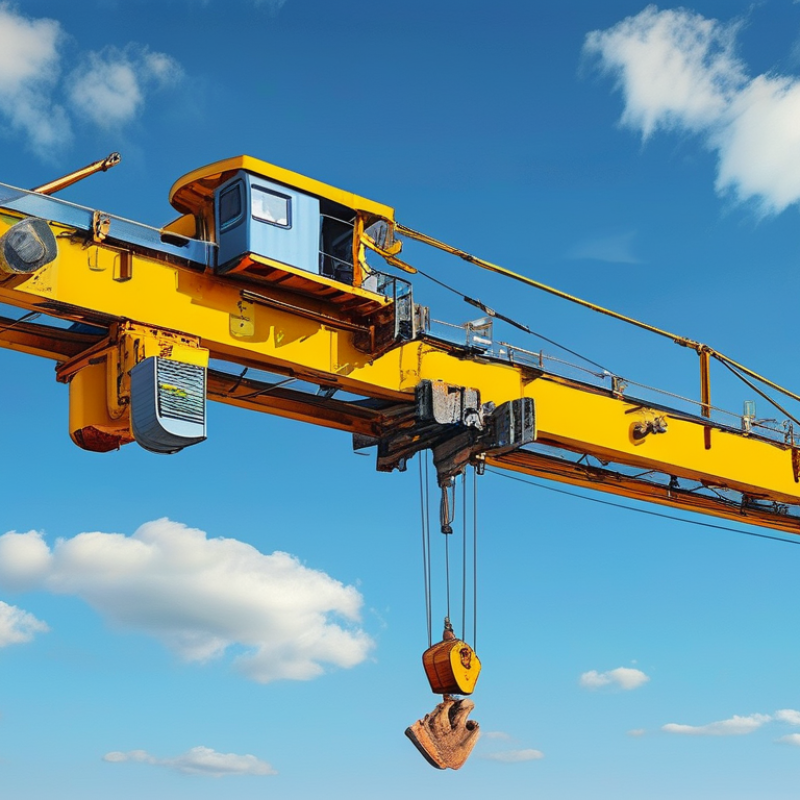
Jib cranes are versatile lifting devices essential for many industries. They provide a straightforward solution for moving heavy materials in a specific radius. This crane type features a horizontal beam attached to a vertical post, allowing for a wide range of motion. The design is simple yet effective, making it a staple in warehouses, workshops, and construction sites.
Understanding the functionality of a jib crane is crucial. The pivoting arm allows operators to lift loads at various angles. This flexibility increases efficiency and reduces potential strain on workers. Operators can position loads directly where needed, minimizing the distance moved. However, the design can present challenges, such as limited lifting height and load capacity. Users must evaluate their specific needs to ensure an optimal fit for their operations.
Jib cranes come in different configurations, including wall-mounted and freestanding models. Each type serves distinct purposes based on available space and operational requirements. While effective, they do require maintenance. Regular inspections are necessary to ensure safety and performance. Mistakes can happen if cranes are misused or overloaded, highlighting the importance of proper training and adherence to guidelines.