

As projects evolve, choosing the right components becomes critical. Integrated Stepper Motors have emerged as a preferred choice in various applications, thanks to their precision and efficiency. According to a recent industry report by Research and Markets, the global integrated stepper motor market is expected to grow at a CAGR of 7.2% through 2026. This substantial growth indicates a shift towards smarter automation solutions.
Leading expert Dr. Emily Chen states, "The integration of stepper motors into compact designs improves both performance and space utilization." This demonstrates the importance of Integrated Stepper Motors in modern engineering projects. These motors offer robustness and reliability in automation, robotics, and manufacturing sectors.
However, they are not without challenges. Designers must consider thermal management and control complexity. While Integrated Stepper Motors promise efficiency, their selection requires careful evaluation. Balancing performance with potential limitations is key to successful implementation.
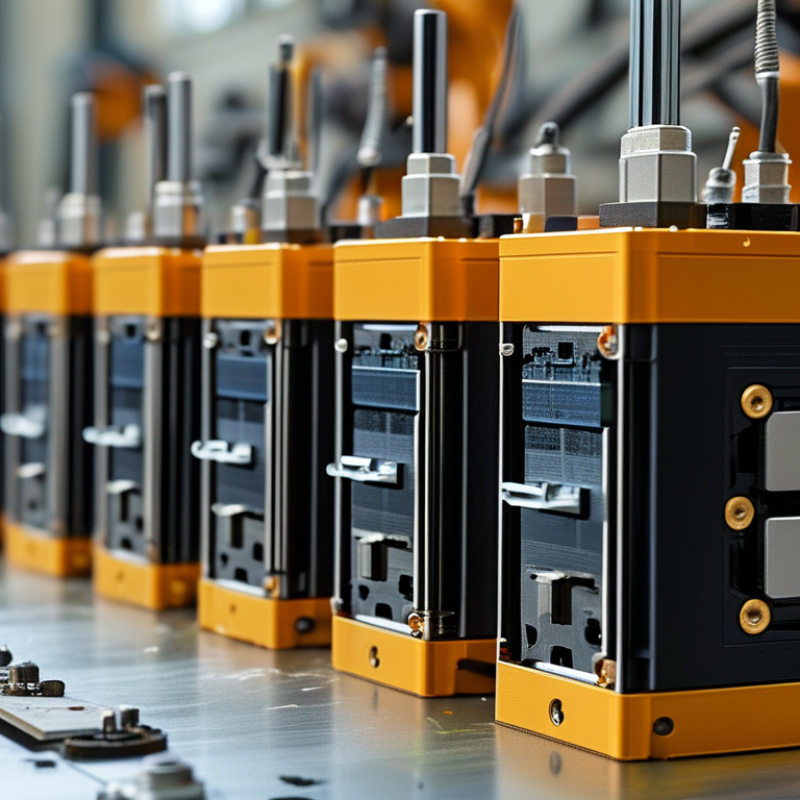
Integrated stepper motors are emerging as popular choices for various projects. They combine the motor and driver in one unit. This design leads to a more compact setup, which is often essential in tight spaces. These motors are also easier to install, reducing assembly time. Users often report less complexity in wiring, which can simplify troubleshooting.
One notable feature is their precision. Integrated stepper motors usually provide better control over positioning. This makes them ideal for applications like 3D printing and robotics. However, they may have limitations in torque at higher speeds. Understanding these trade-offs is crucial in project planning.
Another aspect to consider is thermal management. Integrated designs typically generate more heat, which can affect performance. Users should pay attention to cooling methods to ensure longevity.
Cost is another factor that cannot be overlooked. While integrated stepper motors may be pricier, their efficiency can lead to cost savings in the long run. It's a balance between upfront expenses and overall performance. Exploring these aspects helps in determining if an integrated stepper motor aligns with project requirements.