How to Choose the Best Water Filter for Your Home
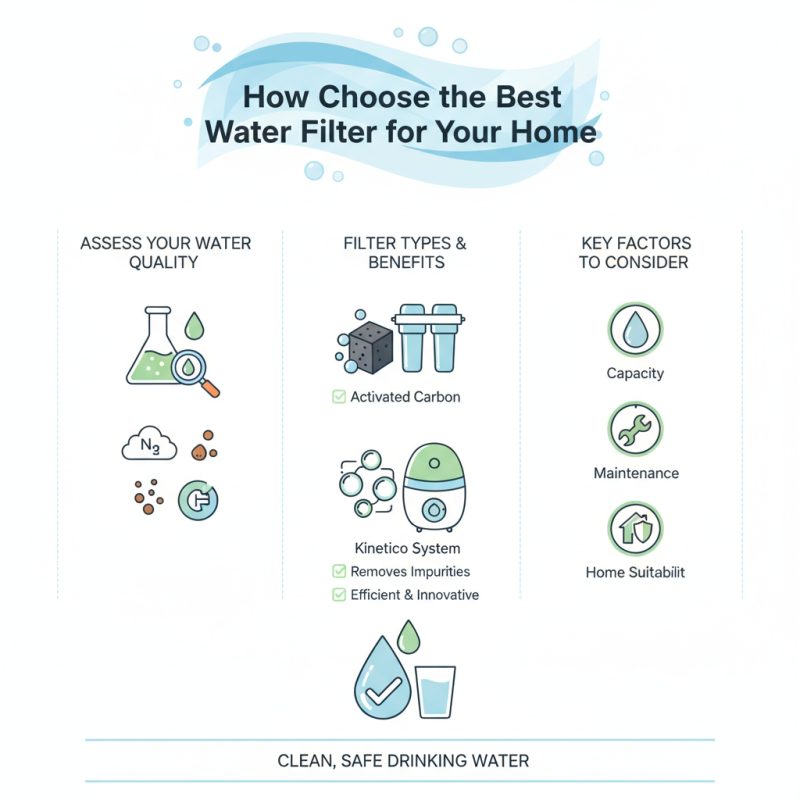
When it comes to ensuring the health and safety of your home's water supply, choosing the right water filter is paramount. With the myriad of options available, selecting the best water filter for your home can be a daunting task. Factors such as the contaminants present in your water, the filter's capacity, and the maintenance involved play crucial roles in the decision-making process. Among the popular choices, the kinetico water filter stands out for its innovative design and efficiency.
Understanding what you need from a water filter is the first step towards making an informed choice. It’s essential to assess your water quality through testing to identify specific impurities, as this will influence which filtration system is most suitable for your home. Whether you’re looking to reduce common chemicals, sediments, or even heavy metals, different filters offer varying levels of success. Evaluating filter types, from activated carbon to reverse osmosis systems, is crucial in pinpointing the right solution.
In this guide, we will explore the diverse range of water filtration systems available, highlighting the benefits of options like the kinetico water filter while examining key factors to consider. With the right information at your disposal, you can make a confident choice that ensures your household's access to clean, safe drinking water.
Understanding the Importance of Water Filtration for Home Use
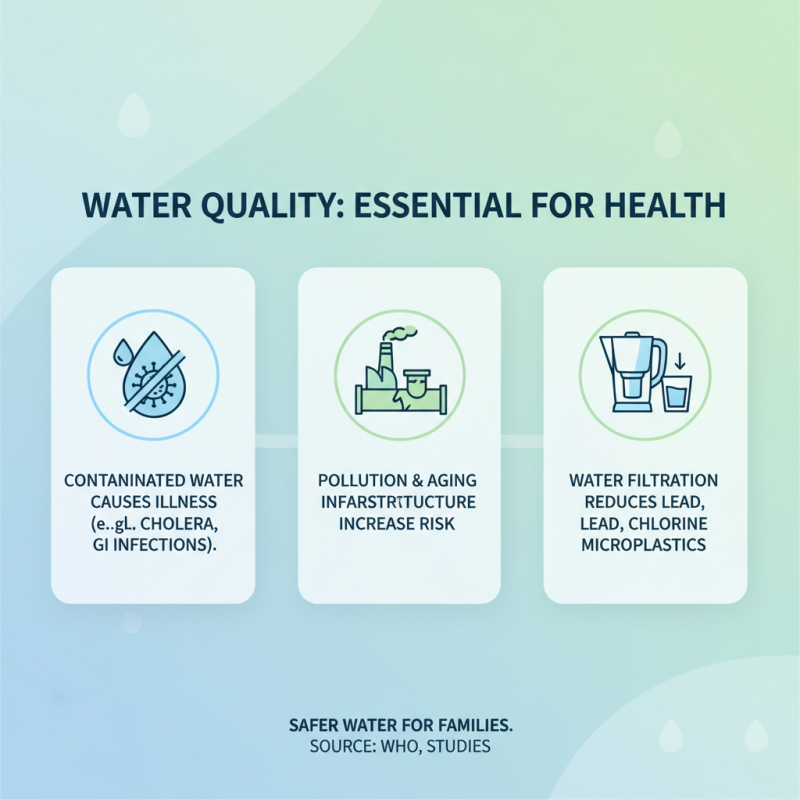
Water quality is essential for maintaining good health and preventing diseases. According to the World Health Organization, contaminated water can cause a host of health issues, including gastrointestinal infections, cholera, and other serious conditions. With the increasing pollution levels and aging infrastructure in many areas, reliable water filtration has become crucial for every household. Studies show that households using some form of water filter can significantly reduce contaminants such as lead, chlorine, and various microplastics, ensuring safer drinking water for families.
**Tip:** When selecting a water filter, it’s important to assess the specific contaminants present in your local water supply. You can often find this information in your municipal water quality report. This will help you make an informed decision about which type of filtration system will best suit your needs.
In addition to health benefits, using a water filter can contribute to environmental sustainability by reducing the reliance on bottled water. The Environmental Protection Agency estimates that more than 60 million plastic water bottles are discarded every day in the United States alone. By investing in a home water filtration system, families can lower their plastic waste significantly while enjoying fresher, cleaner water.
**Tip:** Regular maintenance of your water filter is key to its effectiveness. Ensure that you replace the filter cartridges as recommended by the manufacturer to maintain optimal performance and water quality.
Types of Water Contaminants and Their Health Implications
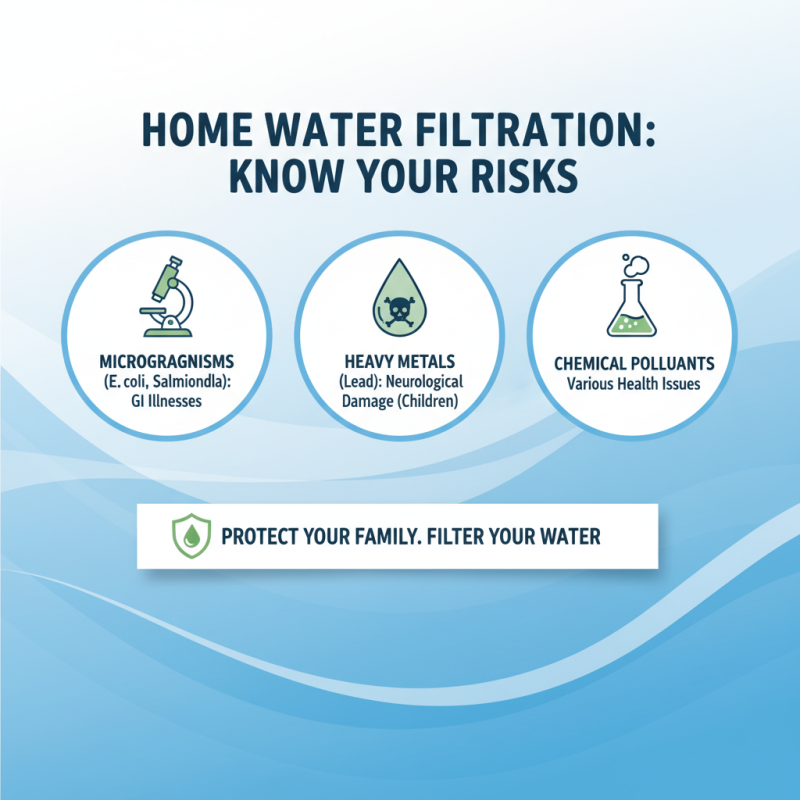
When choosing a water filter for your home, it is essential to understand the types of contaminants commonly found in drinking water and their associated health implications. Water can harbor a variety of harmful substances, including bacteria, viruses, heavy metals, and chemical pollutants. For instance, microorganisms like E. coli and Salmonella can lead to severe gastrointestinal illnesses, while heavy metals such as lead can cause long-term neurological damage, especially in children.
In addition to biological threats, many households face chemical contaminants like chlorine, pesticides, and industrial runoff. Chlorine, often used in municipal water treatment, can react with organic materials to form harmful byproducts linked to cancer and other health issues. Pesticides, on the other hand, may enter drinking water sources through agricultural runoff, potentially leading to endocrine disruptions and other chronic health concerns. By understanding these contaminants and their effects, homeowners can make informed decisions when selecting water filters tailored to address specific pollution concerns in their local water supply.
Key Factors to Consider When Choosing a Water Filter
When it comes to choosing the best water filter for your home, there are several key factors to consider to ensure you select a system that meets your specific needs. First, assess the quality of your tap water by conducting a water test. This will help you identify the contaminants present, such as chlorine, lead, or sediment, guiding you towards the appropriate type of filtration. Remember, different filters target different contaminants, so knowing exactly what you're dealing with is crucial.
Tips: Always check the filter's certification, which indicates its capability to remove specific contaminants. Look for filters certified by organizations like NSF International or the Water Quality Association, as this ensures they have been independently tested for performance. Additionally, consider the filter's lifespan and maintenance requirements. Choosing a long-lasting filter that is easy to maintain will save you time and money in the long run.
Another important factor is the filter's capacity, which relates to how much water it can purify before needing replacement. If your household uses a lot of water daily, opt for a filter with a higher capacity to avoid constant replacements. Furthermore, think about the installation process; some filters are more user-friendly and can be installed without professional help, while others might require plumbing work. Make sure you choose a system that fits your lifestyle and technical comfort level.
How to Choose the Best Water Filter for Your Home - Key Factors to Consider When Choosing a Water Filter
| Filter Type |
Contaminants Removed |
Maintenance Frequency |
Lifespan |
Average Cost |
| Activated Carbon Filter |
Chlorine, VOCs |
Monthly |
6-12 months |
$20 - $100 |
| Reverse Osmosis Filter |
Lead, Arsenic, Nitrates |
6-12 months |
2-5 years |
$150 - $300 |
| UV Water Purifier |
Bacteria, Viruses |
Annually |
1 year |
$250 - $500 |
| Distillation Unit |
Heavy Metals, Salts |
After each use |
5-10 years |
$100 - $250 |
| Ceramic Filter |
Bacteria, Sediments |
Biannually |
1-5 years |
$30 - $150 |
Comparative Analysis of Different Water Filter Types
When choosing a water filter for your home, it’s essential to understand the various types available and their respective advantages. The most common types include activated carbon filters, reverse osmosis systems, and UV filters. Activated carbon filters are particularly effective at removing chlorine, sediment, and volatile organic compounds, making them a popular choice for improving taste and odor. They are easy to install and maintain, providing a cost-effective solution for many households.
In contrast, reverse osmosis systems are known for their ability to remove a wider range of contaminants, including heavy metals and dissolved solids. These systems work by pushing water through a semipermeable membrane, effectively purifying it. However, they tend to be more expensive and can waste a significant amount of water during the filtration process. Meanwhile, UV filters utilize ultraviolet light to eliminate bacteria and viruses, ensuring that the water is microbiologically safe. This method is ideal for areas with concerns about biological contaminants but requires pre-filtration to handle larger particles and sediment.
Ultimately, the best choice of water filter depends on your specific needs and the quality of your source water. Conducting a comprehensive evaluation of your water supply, including testing for contaminants, will guide you in selecting the most suitable filtration system to ensure the health and safety of your household.
Water Filter Types Comparison
Maintenance and Replacement Tips for Optimal Water Filter Performance
Regular maintenance and timely replacement of water filters are crucial to ensuring optimal performance and safe water quality in your home. Research indicates that nearly 60% of households experience issues related to water contamination, often linked to outdated or improperly maintained filtration systems. It is recommended that filters be replaced every six months to one year, depending on usage and water quality. According to the Environmental Protection Agency (EPA), failing to replace filters can lead to a buildup of contaminants, which not only diminishes the filter's effectiveness but can also pose health risks.
In addition to timely replacements, routine maintenance is essential for maximizing the lifespan and efficiency of your water filter. This includes regularly checking for clogs, inspecting the filter housing, and following the manufacturer's guidelines for cleaning. Data from the Water Quality Association suggests that households that perform regular checks on their filtration systems can improve the longevity of their filters by up to 30%. Ensuring that your system is functioning correctly will not only enhance your drinking water quality but can also save you money in the long run, avoiding frequent replacements and potential plumbing issues caused by malfunctioning filters.