

Maintaining the right Chamber Temperature is crucial in various industries. It affects product quality directly, influencing everything from flavor to shelf life. Your products may not meet standards if temperatures fluctuate.
In many manufacturing processes, Chamber Temperature impacts chemical reactions and physical properties. Consistent temperatures ensure uniformity, while deviations can lead to defective outcomes. Many products require precision; a slight change can alter their integrity.
What happens when temperatures are too high or low? The results can be disappointing. Texture may change, flavors can fade, and safety could be at risk. Companies must regularly monitor their environments to secure product excellence. Understanding the nuances of Chamber Temperature can lead to better results and more reliable products.
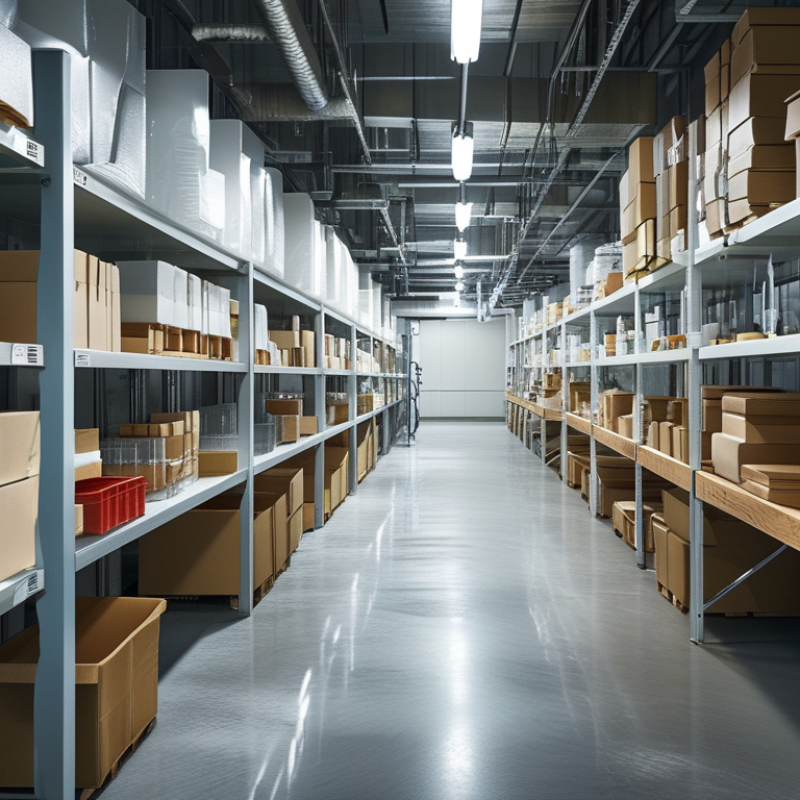
Chamber temperature plays a vital role in manufacturing processes. It affects product quality directly. When the temperature is too high or too low, it can lead to defects. Proper temperature control ensures consistency. This is especially important in industries like pharmaceuticals and food production. An ideal temperature range enhances product stability and performance.
Maintaining the right temperature can be challenging. Variations can occur due to equipment malfunctions or environmental changes. Regular monitoring is key. Using automated systems can help maintain consistent chamber conditions. Employees should be trained to recognize potential deviations in temperature.
Incorporate regular maintenance checks. This helps identify issues before they escalate. Encourage a culture of vigilance among staff. A proactive approach minimizes risks. Analyze past temperature incidents to understand their impact on product quality. Learning from these experiences can prevent future problems. Employing these strategies can improve overall manufacturing outcomes and reduce waste.