2026 Best Water Treatment Systems for Clean and Safe Drinking Water?
Access to clean and safe drinking water is essential for everyone. Water treatment systems play a crucial role in achieving this goal. With various contaminants present in our water supply, choosing the right system is vital.
There are many water treatment systems available in 2026. Each system offers unique features and benefits. However, not all solutions work for every household. Some methods may overlook specific contaminants, leaving risks behind. It's important to understand these nuances.
When selecting a water treatment system, consider your specific needs. Factors like local water quality and contaminants should guide your choice. Some systems excel at removing chlorine, while others target heavy metals. A careful evaluation ensures that you choose the best option for safe drinking water.
Overview of Water Treatment Systems Available in 2026
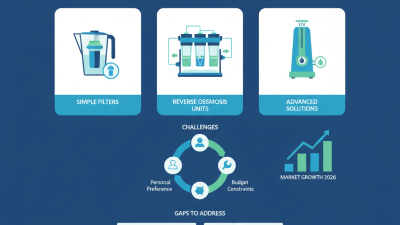
As we look into water treatment systems available in 2026, the options are diverse. Homeowners can choose from various technologies. Each system has its own merits and limitations. For instance, reverse osmosis is popular. It effectively removes impurities but can waste a significant amount of water in the process.
Activated carbon filters offer another choice. They improve taste and remove some contaminants. However, they might not eliminate all harmful substances. People often overlook this point when selecting a system. Ultraviolet (UV) systems are also on the rise. They use light to kill bacteria and viruses. It's effective but relies heavily on electricity. In areas with frequent outages, this can be a concern.
Additionally, the need for maintenance is paramount. Regularly changing filters is necessary for optimal performance. Many systems can be complicated to install. Users may struggle with setup or understanding their functions. This aspect requires careful consideration. Ultimately, each technology has trade-offs. Evaluating personal needs and local water conditions is crucial for making an informed choice.
Key Technologies Used in Modern Water Treatment Solutions
Modern water treatment solutions incorporate various advanced technologies to ensure clean and safe drinking water. Filtration methods, such as reverse osmosis, effectively remove contaminants. This technique pushes water through semi-permeable membranes, filtering out impurities. Activated carbon is another key player. It captures chlorine, sediment, and volatile organic compounds, improving taste and safety.
**Tip:** Regularly check your filters. They can clog over time, reducing their effectiveness.
Ultraviolet (UV) disinfection is becoming increasingly popular. It uses UV light to kill bacteria and viruses without chemicals. This method is safe and doesn’t alter water chemistry. Ozone treatment is also noteworthy; it breaks down pollutants and disinfects water efficiently. Each technology has its strengths and could work best in different scenarios.
**Tip:** Always consider your local water quality. It helps determine the best treatment method for your home.
Investing in a water treatment system is essential for health. However, not all systems are perfect. Some may require frequent maintenance. Others might not be suitable for specific contaminants. Researching options ensures you select the best solution for your needs.
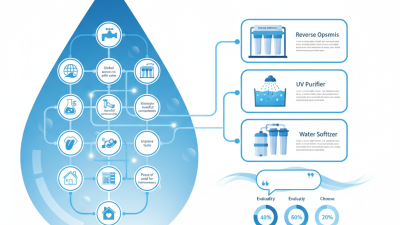
Water Treatment Technologies Efficiency Comparison (2026)
Factors to Consider When Choosing a Water Treatment System
Choosing the right water treatment system involves several crucial factors. One important aspect is the source of your water. Whether it's from a well, municipal supply, or surface water, each source has unique contaminants. Testing your water helps identify specific needs. You might discover heavy metals, bacteria, or chemical residues. This information is essential for making an informed decision.
Another factor is the size of your household. A small family may only need a simple filtration system. Larger families might require more robust solutions, like reverse osmosis systems. Also, think about your water usage. Higher consumption demands better systems for efficiency. Maintenance is another consideration. Frequent filter changes can become cumbersome. Some systems offer low maintenance options, which might be worth exploring.
Finally, consider the cost versus benefits. Initial setup costs can be high. However, investing in a quality system can save money in the long run. It's important to weigh long-term health benefits against up-front expenses. A cheap solution could lead to more problems later. Reflecting on these factors will guide you to a suitable choice for clean and safe drinking water.
Comparative Analysis of Top Water Treatment Brands in 2026
As water quality issues persist, choosing the right water treatment system becomes crucial. A recent report from the Environmental Protection Agency highlighted that nearly 13 million people in the U.S. rely on unregulated drinking water sources. This emphasizes the need for effective solutions. In 2026, various brands offer innovative technologies, yet not all live up to expectations. Some systems struggle with high levels of contaminants, raising concerns about safety.
Consider the performance metrics of different systems. A leading analysis indicated that reverse osmosis and UV purification methods often yield higher contaminant removal rates. Water systems have varying capacities and maintenance needs. Users frequently overlook these factors, leading to potential underperformance.
Tip: Always check contaminant removal certifications.
Additionally, installation ease and ongoing costs play a significant role. Some models offer low upfront costs but require expensive filters. These hidden costs can quickly add up.
Tip: Look into long-term maintenance when choosing a system.
Having access to clean water should not be complicated, but understanding the right choice is essential. An informed decision can lead to healthier drinking water.