

Choosing the best Walking Umbrella for 2026 is less about finding the largest canopy and more about matching real-world weather with a design you can carry comfortably. A long handle can feel steady on a windy pavement, but it may be awkward on a crowded train. A compact frame saves space, though it can leave your shoulders exposed. Small details matter: grip shape, opening mechanism, canopy coverage, and how easily the umbrella fits beside a wet coat.
Weather trends give this choice practical context. The World Meteorological Organization’s State of the Global Climate 2024 describes an increasingly intense and erratic water cycle, including heavy precipitation events. NOAA’s 2024 U.S. Billion-Dollar Weather and Climate Disasters report counted 27 disasters with losses of at least $1 billion each. These reports do not measure umbrella performance. They do show why dependable rain protection is worth considering, especially for people who walk or commute outdoors.
A useful comparison should separate tested features from marketing claims. Look for clear information about frame construction, canopy dimensions, weight, and wind testing; then consider how each model feels during an ordinary walk. That last part is easy to overlook. A sturdy umbrella that is tiring to hold may stay at home, which rather defeats the point. No single model suits every route, hand, or forecast. The guide ahead weighs those trade-offs and explains what to check before choosing a Walking Umbrella for 2026.
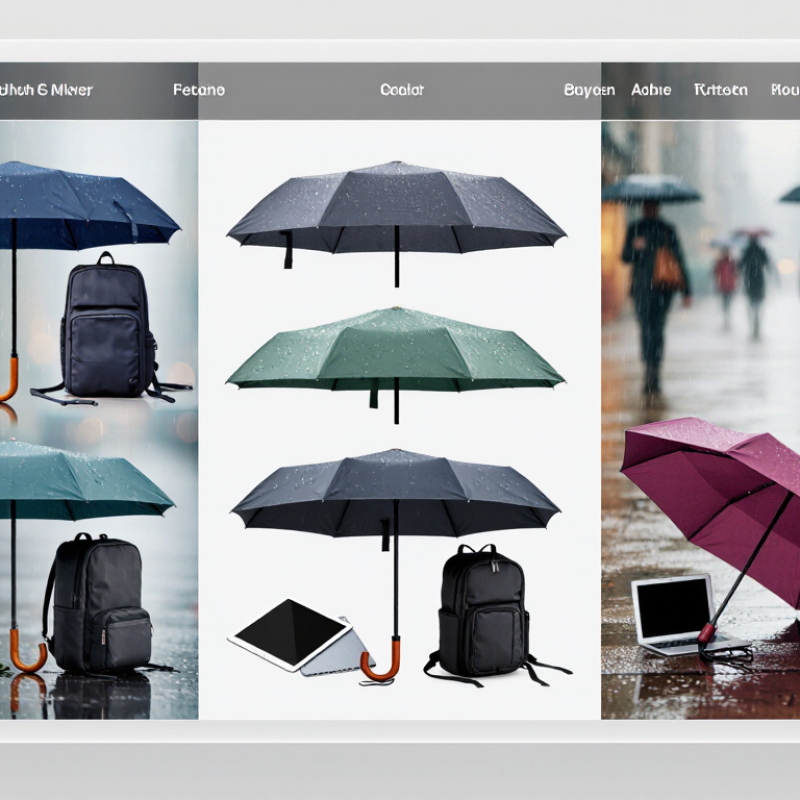
What defines a walking umbrella in 2026 is not a new gadget; it is dependable comfort on everyday routes. Unlike a tiny bag umbrella, it usually has a longer shaft and a steady handle. The canopy should cover your shoulders and a small bag. That matters. Choose a closed length you can carry beside a coat or tuck near a bus seat. An umbrella that feels awkward may soon stay at home.
Look for a frame that flexes without feeling loose, plus a runner that opens smoothly with one hand. Fabric should dry reasonably fast and resist sagging after repeated showers. Weight is a trade-off: a heavier frame may feel stable, but tiring on a long walk.
Check the stitching, canopy tips, and handle joints; small faults can become annoying. No umbrella is stormproof. Wind claims vary, so judge them cautiously and avoid using any canopy in dangerous gusts. The ideal choice still depends on your route, and there is no single best shape.
Tips: Open it at home, walk a few steps, and test the grip with damp hands. After rain, leave it open to dry. Easy to forget, honestly.