
Kinetico Water

10 Best Mist Sprayers for Gardens and Greenhouses

A fine, even spray can help keep delicate seedlings comfortable without soaking their leaves or potting mix. In a greenhouse, it may also support humidity around plants that prefer moist air. But not every sprayer produces the same droplets, reach, or coverage. A narrow jet can disturb young growth, while an overly broad mist may wet nearby benches and tools.

Mist Sprayers vary in capacity, nozzle design, pressure, and ease of cleaning. Small details matter: a comfortable trigger, a stable bottle, and a nozzle that adjusts smoothly can make routine care less frustrating. Some models suit a few indoor trays; others are better for larger garden beds or greenhouse rows. No single pick fits every setup.

This guide compares 10 options for gardens and greenhouses, with attention to spray pattern, handling, refill needs, and intended use. Product specifications can help, but they do not tell the whole story. A sprayer that looks capable on paper may feel tiring after repeated use, and fine mist can drift in a breeze. Check current product details before buying, especially capacity and nozzle settings. Consider your plants, water source, and how often you spray. Small caveat: a mist sprayer is not a substitute for checking soil moisture or plant-specific humidity needs. A careful match can make watering more controlled, though a little trial and adjustment may still be needed.
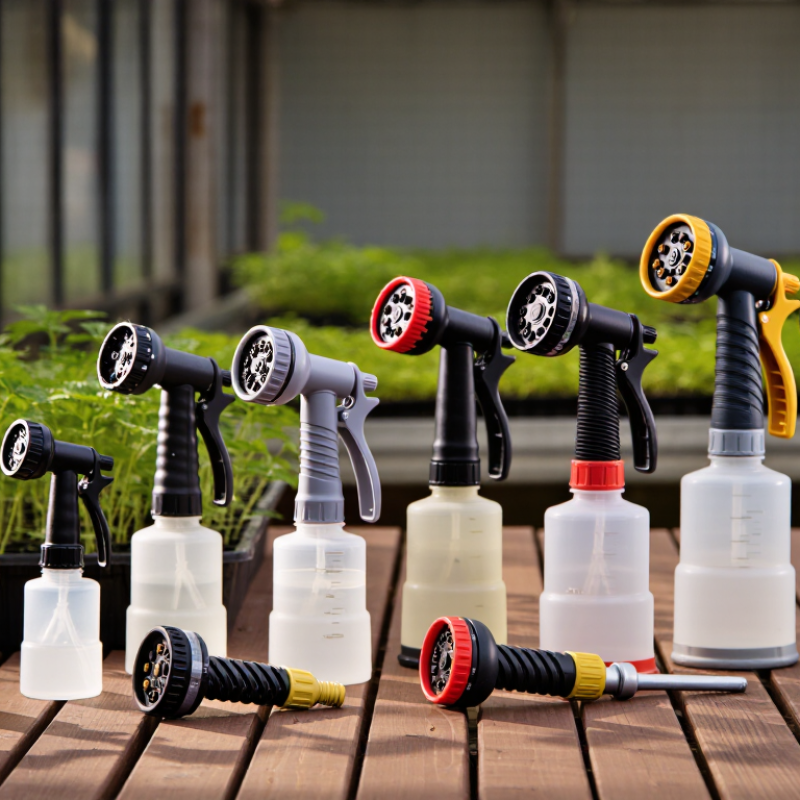
10 Best Mist Sprayers for Gardens and Greenhouses

What Mist Sprayers Are and How They Work

A mist sprayer breaks water into tiny droplets and releases them through a nozzle. Depending on the model, a hand pump or powered pump creates pressure that forces water through a small opening. The nozzle shape and pressure affect droplet size and spray reach. Droplets stay airborne.

In a greenhouse, fine droplets can evaporate into the air, raising humidity and briefly cooling nearby plants. Larger droplets settle faster and may dampen leaves or potting mix. The effect depends on temperature, airflow, and how often the sprayer runs. One pass is not always enough.

Placement matters. Aim above the plants, then check whether the mist reaches the canopy without leaving leaves persistently wet. Outdoors, wind can carry droplets away before they settle, so a calm morning may work better than a breezy afternoon. Too much mist can encourage lingering dampness, especially where air barely moves. A common oversight is focusing on the nozzle while ignoring ventilation. The setup seems simple; judging the right interval takes observation. Check leaf surfaces and greenhouse humidity, and adjust rather than relying on a fixed schedule.

Common Mist Sprayer Types for Gardens and Greenhouses

Common Mist Sprayer Types for Gardens and Greenhouses

Hand-pump and trigger sprayers suit seedlings, propagation trays, and small bench areas. They are easy to aim, but frequent refilling makes them tiring for larger spaces.

Hose-end misting kits cover more ground with less effort. Their droplets are often larger, so check leaf surfaces and nearby floors for excess wetness. There is a catch: more coverage does not always mean better humidity control.

High-pressure fogging lines create very fine droplets for greenhouse cooling and humidity management. They need clean water, suitable pressure, and regular nozzle checks; mineral buildup can disrupt the spray pattern.

Fan-assisted mist units combine droplets with airflow, which can help distribute moisture across a growing area. Placement matters. A fan aimed at one corner may leave another dry.

EPA WaterSense reports that as much as 50% of outdoor water can be lost through wind, evaporation, and runoff from inefficient irrigation. That figure is not a direct mist-sprayer comparison, but it is a useful reminder to watch drift and runoff.

Match the system to crop spacing, ventilation, and the area you actually need to mist. I still check twice.

Key Features to Compare Before Choosing a Sprayer

Choosing a mist sprayer starts with matching its output to the space. Compare flow rate, operating pressure, nozzle pattern, and droplet size; these affect coverage and leaf wetness. A fine mist can reach delicate seedlings, but airflow may carry it away. Larger droplets can settle faster, though they may leave uneven patches. Small differences matter. Check whether the maker lists output per minute and the pressure used for testing, not just a maximum-pressure figure.

Tank capacity and materials deserve equal attention. A small tank is lighter for overhead work, yet requires more refills across long benches. Look for a comfortable trigger, a secure seal, and parts that can be cleaned or replaced. EPA’s WaterSense outdoor-water overview estimates that landscape irrigation uses nearly 9 billion gallons of water daily in the United States; that figure concerns outdoor landscapes, not greenhouses, but it underscores why leaks and overspray matter. Check the label. In practice, comparing sprayers under the same pressure and distance is more useful than trusting vague “fine mist” claims. I would not choose by reach alone. A longer spray can still miss the underside of leaves.

10 Best Mist Sprayers for Gardens and Greenhouses - Key Features to Compare Before Choosing a Sprayer

The options below compare common sprayer types rather than specific products. Capacity, pressure, droplet size, and output are typical ranges and vary by design, nozzle, and operating conditions.

Sprayer type Typical capacity Typical pressure or output Best suited for Key advantages Points to consider
1. Hand-trigger mister 0.3–1 L Hand-pumped; output depends on trigger and nozzle Houseplants, seedlings, and spot misting Lightweight, inexpensive, and easy to control around individual plants Small capacity makes it impractical for large beds or frequent greenhouse rounds
2. Hand-pump pressure sprayer 1–5 L Often about 2–3 bar (29–44 psi), depending on model Small gardens, benches, and targeted treatments More consistent spraying than a trigger bottle; no battery or power cord Pressure falls during use and must be restored by pumping
3. Compression backpack sprayer 12–20 L Common working range about 2–4 bar (29–58 psi) Large gardens and longer spraying sessions Large tank and portable operation; suitable for many standard spray tasks A full tank is heavy, and manual pumping takes effort
4. Battery-powered backpack sprayer 12–20 L Often adjustable, approximately 2–6 bar (29–87 psi) Frequent or extended spraying across larger areas Maintains pressure without repeated hand pumping; may offer adjustable flow Check battery runtime, charging time, weight, and availability of replacement parts
5. Battery-powered handheld sprayer 1–5 L Typically low to moderate pressure; check the unit’s rated output Greenhouse benches and small-to-medium garden tasks Compact and easier to carry than a full backpack sprayer Smaller tank requires more refills; battery capacity limits working time
6. Hose-end sprayer About 0.5–1 L concentrate container; uses hose water Water pressure depends on the supply and sprayer design Outdoor beds, lawns, and areas near a hose connection No tank to carry; can cover broad areas quickly Less precise than handheld equipment; generally unsuitable where hose access is limited
7. Cold-mist ULV fogger Commonly 1–5 L Fine droplets; some units produce droplets in roughly the 10–50 µm range Enclosed or semi-enclosed spaces when the treatment label permits fogging Can disperse a fine aerosol through a space with less liquid than coarse spraying Fine droplets can drift or remain airborne; ventilation, exposure controls, and label directions are essential
8. Motorized mist blower Often 10–15 L for backpack designs Uses a high-velocity air stream; droplet size varies with nozzle and settings Orchards, large outdoor plantings, and tall or dense foliage Airflow can help carry spray into foliage and across larger areas Noisy and heavier than manual units; drift risk makes wind and surroundings important
9. Low-pressure misting line No portable tank; connects to a water supply Often operates around 2–7 bar (29–102 psi), depending on the system Fixed greenhouse or patio cooling and humidity support Provides repeatable coverage after installation; useful for routine water misting Nozzle spacing, water filtration, drainage, and humidity management affect performance
10. High-pressure greenhouse misting system Fixed system; tank size depends on the water supply and pump setup Commonly about 40–70 bar (580–1,015 psi) Larger greenhouses requiring fine, distributed water mist Can produce finer droplets than many low-pressure systems and support even fixed coverage Higher purchase and installation cost; requires suitable filtration, maintenance, and humidity control

Choosing tip: Match the sprayer to the intended use. For pesticide or fertilizer applications, confirm that the equipment and nozzle are compatible with the product label, and follow all label instructions and required protective measures.

10 Best Mist Sprayers for Gardens and Greenhouses

Choosing among the 10 best mist sprayers for gardens and greenhouses starts with matching droplet size to the job. Fine mist cools foliage and supports humidity, but it can drift or evaporate before reaching leaves. The U.S. Environmental Protection Agency’s WaterSense guidance estimates that up to 50% of outdoor irrigation water may be lost to wind, evaporation, and runoff. That figure covers irrigation broadly, not misting alone, but it’s a useful reminder to test spray patterns in calm conditions. Droplets matter. Look for adjustable nozzles, a stable base, and fittings that resist leaks; check whether replacement parts are readily available.

For a small greenhouse, a hand-pump sprayer offers control around seed trays and tender cuttings. Larger beds may suit a hose-connected misting line with consistent pressure and filters that reduce nozzle clogging. The Food and Agriculture Organization’s AQUASTAT data puts agriculture’s share of global freshwater withdrawals at roughly 70%, making careful water use a practical design concern. Compare capacity, pressure, coverage, and cleaning effort—not just advertised output. A nozzle that looks impressive can leave dry corners or wet benches. I’d still verify coverage with a simple test; product specifications don’t always reflect a crowded greenhouse. Check humidity with a thermometer-hygrometer, and avoid prolonged leaf wetness where disease is a concern.

How to Set Up, Use, and Maintain a Mist Sprayer

Set up a mist sprayer on stable ground, close enough to reach the plants without stretching the hose. Read the equipment instructions before connecting water, and check that fittings sit firmly. Clean water helps reduce clogged nozzles. Start at a low pressure, then adjust until the mist settles lightly on leaves rather than forming runoff. Test one nozzle over a paved area first. Keep electrical connections dry, and avoid spraying when strong wind carries droplets away.

Tips: Check the filter and nozzle before each session. A pin or soft brush can remove visible debris; avoid forcing wire into the opening, which may damage it. Aim nozzles toward the plant canopy, not directly at tender seedlings. Watch the first few minutes. Small adjustments matter.

After use, shut off the water and release pressure as the manual directs. Drain the line if water could sit in it, then wipe the fittings and store the sprayer out of direct sun. Inspect hoses for cracks and seals for flattening. A slow leak can be easy to miss, especially outdoors. Recheck spray coverage as plants grow; a setup that worked last month may now wet only the outer leaves. Don’t assume every plant needs the same misting schedule.