2026 Best Enclosed Circuit Breaker for Global Buyers?
Choosing the best Enclosed Circuit Breaker for global buyers is not simply a matter of comparing prices or selecting the highest current rating. The right device must match the circuit, installation environment, and equipment it protects. A breaker mounted inside a dusty workshop panel faces different demands from one installed near a humid coastal plant room.
Start with practical details: rated voltage, continuous current, number of poles, and interrupting capacity. Then check enclosure material, ingress protection, terminal access, and operating temperature. These details affect installation and maintenance. They are easy to overlook. A compact enclosure may fit neatly on a crowded panel, yet leave too little room for cable bends or safe servicing.
Global purchasing adds another layer. Product markings, test documentation, and applicable standards can differ by destination and project specification. Buyers should review the manufacturer’s datasheet and request supporting test records where needed. Confirm that the exact model, accessories, and ratings match the quotation. A familiar brand name alone is not enough.
There is no universal “best” choice. Not always. A higher-rated breaker may be unsuitable if its protection settings or short-circuit capacity do not fit the system. This guide will compare selection criteria, enclosure options, and supplier questions to help buyers make a more informed shortlist. It will also note where published specifications leave room for uncertainty. That is worth admitting: product pages do not always show how a unit performs in a specific installation. Verify critical details with the manufacturer or a qualified electrical professional before purchasing.
What Is an Enclosed Circuit Breaker?
2026 Best Enclosed Circuit Breaker for Global Buyers?
What Is an Enclosed Circuit Breaker?
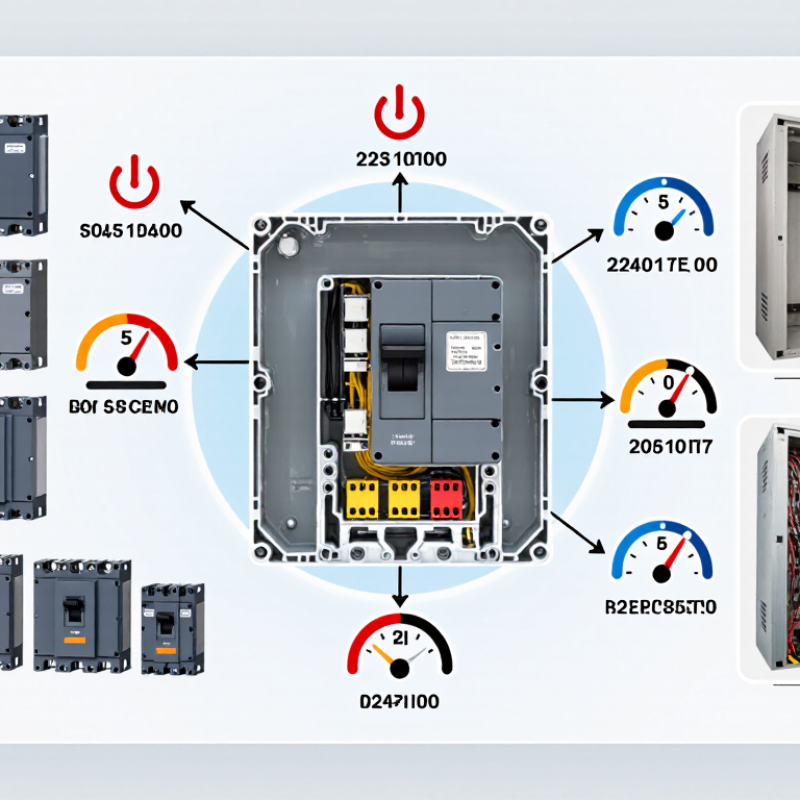
An enclosed circuit breaker is a circuit breaker installed inside a protective housing. The breaker detects excessive current and opens the circuit to help prevent damage from overloads or short circuits. The enclosure surrounds live components, reducing accidental contact and helping shield equipment from its surroundings. Protection depends on the enclosure’s design and rating. “Enclosed” does not automatically mean waterproof or suitable for outdoor use.
Typical units include a molded or metal housing, terminals, and an operating handle. Some are designed for indoor panels; others suit exposed industrial locations. A dusty workshop, for example, may require a different enclosure rating from a clean electrical room. The breaker’s current and voltage ratings must also match the circuit. This detail is easy to overlook: a sturdy housing cannot compensate for an incorrectly selected breaker.
Tips: Check the product’s enclosure rating, electrical ratings, and installation instructions before selection. Consider dust, moisture, temperature, and mounting location. Have a qualified electrical professional verify compatibility and installation. Labels can be confusing, so confirm what each rating actually covers.
2026 Guide to Enclosed Circuit Breakers: Understanding IP Ratings
An enclosed circuit breaker combines a circuit breaker with a housing that helps protect the device and users. The chart compares the two protection digits in selected IP codes defined by IEC 60529. These digits are protection-level codes, not a measurement of overall product quality.
How to read it: The first IP digit describes protection against solid objects: 5 means dust-protected and 6 means dust-tight. The second digit describes water protection: 4 means protection against splashing water, 5 against water jets, and 6 against powerful water jets. Confirm the required rating and installation conditions for the specific application.
How Does an Enclosed Circuit Breaker Work?
2026 Best Enclosed Circuit Breaker for Global Buyers?
How Does an Enclosed Circuit Breaker Work?
An enclosed circuit breaker monitors current flowing through a circuit and opens its contacts when current exceeds safe limits. In a common thermal-magnetic design, a bimetal strip bends during a sustained overload, while an electromagnetic trip responds rapidly to a short circuit. The contacts separate, and an arc chute divides and cools the resulting electrical arc. That small sequence happens inside the enclosure, away from accidental contact.
The enclosure shields live components and supports installation, but it does not automatically make a breaker suitable for outdoor exposure. Check its rated current, voltage, pole count, interrupting capacity, and enclosure rating against the actual installation. IEC 60947-2 sets requirements for low-voltage circuit breakers; its ratings provide a useful technical reference for comparing equipment. Still, ratings alone cannot confirm suitability for every panel or operating condition. A qualified professional should verify the application.
NFPA’s report Electrical Fires in U.S. Homes, 2015–2019, estimated about 24,000 home electrical fires annually during that period. That matters. A breaker limits damage by interrupting excessive current, but it cannot correct loose connections, damaged insulation, or poor installation. After a trip, identify the cause before resetting it. Repeated trips are a warning, not an inconvenience.
What Types and Ratings Are Available?
Enclosed circuit breakers come in several forms. The right choice depends on the load, fault level, and installation environment. Thermal-magnetic models use heat and magnetic force to respond to overloads and short circuits. Electronic-trip versions offer more adjustable protection, which can help when equipment has demanding start-up currents. Compact breakers suit smaller circuits; molded-case designs often serve larger feeders and machinery. Details vary by design.
Compare the ratings, not just the frame size. The ampere rating should match the conductors and expected load, while the voltage rating must suit the supply. Check the number of poles and the interrupting rating against the available fault current at the installation point. A mismatch can leave equipment inadequately protected. Also review trip settings, frequency, and any required coordination with upstream devices. For outdoor, dusty, or damp locations, confirm the enclosure’s protection rating and material suitability. The enclosure does not automatically raise the breaker’s electrical ratings. Read the nameplate and technical documentation. Small labels matter. One point is easy to miss: published ratings may depend on ambient temperature or mounting conditions, so verify the actual installation before selecting a unit.
Which Features Matter Most to Global Buyers in 2026?
Global buyers should look beyond rated current when choosing an enclosed circuit breaker. Fault-breaking capacity must suit the installation’s prospective short-circuit current, while voltage, pole configuration, and trip settings must match the system. IEC 60947-2 provides a key reference for low-voltage circuit-breakers, but a standards mark alone does not confirm suitability for every panel. Check coordination with upstream and downstream devices, and verify that terminals accept the actual cable size. Small details matter.
The operating environment matters just as much. A breaker installed in a hot, dusty enclosure may need derating or better ingress protection; confirm both against the manufacturer’s documented test conditions. The International Energy Agency’s Electricity Grids and Secure Energy Transitions report says annual grid investment needs to exceed USD 600 billion by 2030, up from about USD 300 billion today. More grid upgrades mean buyers should consider available accessories, replacement parts, and clear technical documentation, not only purchase price.
For cross-border projects, compare test certificates, installation instructions, and declared ratings against the destination market’s requirements. Ask for temperature-rise and endurance data where relevant. In real panel reviews, cable access and space for safe servicing can be overlooked until installation day. That is an avoidable surprise, though it still happens. A compact enclosure may look efficient on a drawing, yet leave little room for inspection or future maintenance.
How Do Standards and Installation Requirements Vary by Market?
For global buyers, an enclosed circuit breaker is not a one-standard-fits-all product. IEC 60947-2 is widely used for low-voltage circuit breakers, while North American projects commonly require UL 489 evaluation and installation under applicable electrical codes. A certificate accepted in one market may not satisfy another authority’s approval process. Check the required certification, rated voltage, interrupting capacity, and enclosure protection before ordering.
Installation details matter just as much. IEC projects often specify an IP rating; North American specifications may use a NEMA enclosure type. These ratings are not directly interchangeable. Confirm ambient temperature, available fault current, conductor size, terminal limits, mounting orientation, and required working clearances against the product documentation and local code. A crowded cabinet can trap heat; even a correctly rated breaker may need derating in high temperatures. Small details matter.
Demand is growing, but that does not make requirements uniform. The International Energy Agency’s Electricity 2024 report forecast average global electricity-demand growth of 3.4% annually from 2024 to 2026. That forecast points to more electrical infrastructure, not automatic compatibility between markets. Buyers should have a qualified local engineer verify the site conditions and approval path. One checklist can still miss a regional rule; that deserves a second look.