10 Best Drinking Water Filtration Systems for Clean and Safe Water
In today’s world, the importance of clean and safe drinking water cannot be overstated. With increasing concerns about water quality due to environmental pollution and aging infrastructure, having a reliable drinking water filtration system has become essential for households. These systems not only enhance the taste and odor of water but also eliminate harmful contaminants, ensuring the health and safety of your family. As we look towards 2025, the market is teeming with innovative and advanced filtration solutions designed to meet diverse needs and budgets.
This article delves into the ten best drinking water filtration systems available, guiding you through various options based on effectiveness, ease of use, and sustainability. From countertop systems to under-sink installations, each choice plays a vital role in improving the quality of your drinking water. Whether you are concerned about chlorine, lead, or other pollutants in your tap water, our comprehensive review aims to help you make an informed decision, ensuring you select the right system for your unique circumstances. Join us as we explore these cutting-edge filtration technologies and discover how they can transform your water into a pure and refreshing resource.
The Importance of Clean Drinking Water: Understanding Contaminants and Health Risks
Clean drinking water is crucial for maintaining health and preventing various illnesses. Contaminants such as bacteria, heavy metals, and chemicals can infiltrate our water supply, leading to serious health risks like gastrointestinal diseases, reproductive issues, and even neurological disorders. Understanding the specific contaminants present in your water can help you make informed choices about purification methods and systems suitable for your household.
When considering a drinking water filtration system, it’s essential to evaluate your local water quality. Start by obtaining a water quality report from your supplier or conducting a home test. This will help identify the specific contaminants you need to address. Additionally, consider the maintenance and replacement costs of the filtration system you choose, as some may require more frequent servicing than others.
Tips: Always opt for filtration systems that are certified by organizations like the NSF or Water Quality Association, ensuring they effectively remove the contaminants identified in your water. Regularly check and replace filters according to the manufacturer’s guidelines to maintain optimal water quality. Finally, educate yourself about the common pollutants in your area, as being informed leads to better choices for yourself and your family's health.
Top 10 Features to Look for in Effective Water Filtration Systems
When selecting an effective water filtration system, there are several key features to consider that can significantly enhance your drinking water quality. Firstly, the filtration technology employed is crucial. Systems utilizing reverse osmosis or activated carbon filters typically offer superior contaminant removal, including heavy metals, chlorine, and bacteria.
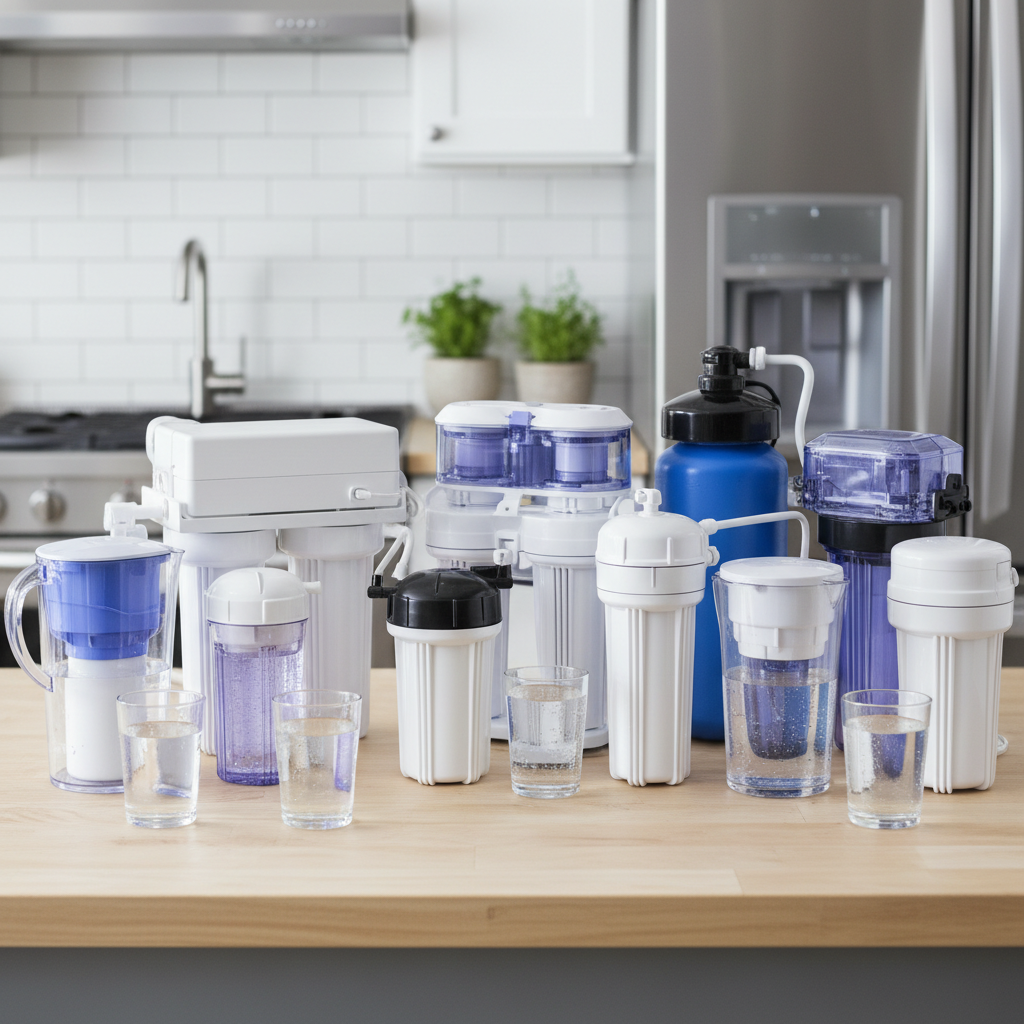 Additionally, look for multi-stage filtration, which can provide a comprehensive approach to purifying water, ensuring a higher level of safety.
Another important aspect is the flow rate of the system. A higher flow rate means that clean water is produced more quickly, which is essential for households with multiple users. Furthermore, consider the system's capacity for filter replacement; easy-to-replace filters not only allow for more convenient maintenance but also help sustain optimal filtration performance over time.
Finally, while initial costs are a consideration, evaluating long-term operating expenses, including filter replacements and water waste, can provide a clearer picture of the overall value of the filtration system. These features collectively contribute to making an informed decision for clean and safe drinking water.
Comparative Analysis: Reverse Osmosis vs. Activated Carbon Filters
When it comes to ensuring clean and safe drinking water, two popular filtration methods stand out: reverse osmosis (RO) and activated carbon filters.
Reverse osmosis systems work by pushing water through a semi-permeable membrane that effectively removes a wide range of contaminants, including heavy metals, salts, and harmful microorganisms. This process results in purified water that is essential for households concerned about specific pollutants. However, RO systems can be costly and may waste some water during the filtration process.
In contrast, activated carbon filters operate differently by using carbon granules to adsorb impurities. These filters are particularly effective at removing chlorine, volatile organic compounds (VOCs), and certain heavy metals. While they may not eliminate all contaminants as efficiently as reverse osmosis systems, carbon filters are more affordable and easy to maintain, making them a popular choice for many homes.
Ultimately, the choice between these two systems will depend on water quality, budget, and specific filtration needs, highlighting the importance of understanding the strengths and limitations of each method.
How to Choose the Right Filtration System Based on Water Quality Testing Data
When selecting a drinking water filtration system, it's crucial to base your decision on comprehensive water quality testing data. According to the Environmental Protection Agency (EPA), over 10 million households in the U.S. are dependent on private wells, which may contain contaminants such as nitrates, arsenic, and bacteria. Understanding the specific impurities present in your water source is the first step toward choosing an effective filtration solution. For instance, if your water supply shows high levels of lead, a reverse osmosis system may be necessary, as studies indicate that these systems can reduce lead concentrations by up to 99%.
Furthermore, the Water Quality Association (WQA) recommends performing regular water testing to ascertain not only chemical pollutants but also water hardness, pH levels, and microbial presence. Filters have different capabilities; activated carbon filters effectively remove chlorine and other volatile organic compounds, while UV systems excel in eliminating pathogens. Therefore, armed with accurate and detailed testing data, consumers can confidently select the most suitable filtration system tailored to their unique water quality challenges, ensuring access to clean and safe drinking water.
Maintenance Tips for Ensuring Longevity and Efficiency of Water Filtration Systems
Maintaining a water filtration system is essential for ensuring its longevity and efficiency. Regular maintenance not only helps keep your water clean and safe but also extends the lifespan of the unit. One of the key maintenance tips is to replace the filters as recommended by the manufacturer. Clogged or old filters can significantly reduce the system's performance, and using a schedule for replacement can prevent this issue.
Another important aspect of maintenance is to routinely check for leaks or any signs of wear and tear in the system. Inspecting the connections and hoses regularly can help you catch potential problems early on. Additionally, remember to clean the system's components, such as the storage tank and any removable parts, to prevent buildup of sediment and bacteria.
Finally, ensure that the system is correctly installed and level. An uneven setup can lead to operational inefficiencies and potentially damage the system. Consulting the installation manual and performing periodic checks can mitigate these risks and keep your drinking water filtration system performing at its best.