Best CNC Laser Cutting Machines for Precision Manufacturing?
In the competitive landscape of precision manufacturing, the demand for efficiency and accuracy drives the choice of equipment. The Cnc Laser Cutting Machine stands out as a critical tool in this sector. According to a report by MarketsandMarkets, the global market for laser cutting machines is projected to reach $5.83 billion by 2025, with a compound annual growth rate (CAGR) of 6.8%. This growth is fueled by the increasing need for high precision and reduced manufacturing costs.
However, choosing the best CNC laser cutting machine can be challenging. Factors such as material compatibility, power output, and cutting speed play vital roles in achieving optimal results. Inadequate knowledge about machine specifications can lead to inefficiencies and increased production times. It is essential to weigh different options carefully and to consider aspects like maintenance and operational costs.
Despite technological advancements, there are still common misconceptions about laser cutting. Many underestimate the learning curve associated with operating sophisticated CNC systems. Manufacturers must invest in training and support to utilize these machines fully. Thus, understanding the right CNC laser cutting machine for specific needs can significantly impact production quality and operational success.
Overview of CNC Laser Cutting Technology
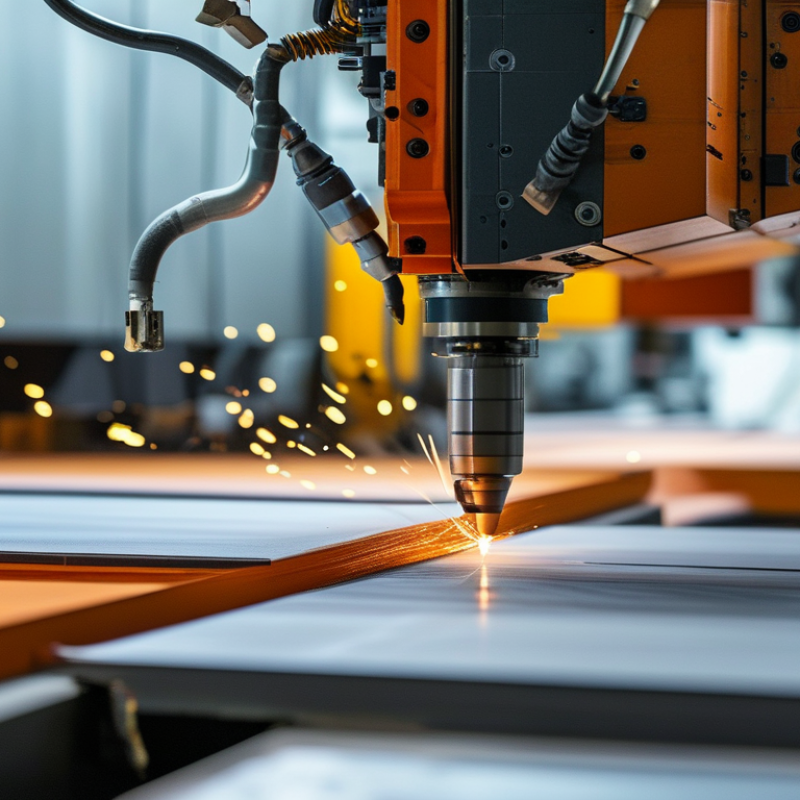
CNC laser cutting technology has revolutionized the manufacturing landscape. It utilizes focused laser beams to cut materials with stunning precision. This method is favored for its ability to handle various materials, from metal to plastic. The accuracy of CNC laser cutting allows for intricate designs and complex shapes that would be difficult to achieve with traditional cutting tools.
However, it is essential to recognize the limitations of this technology. The initial investment can be significant, which may deter smaller shops. Additionally, while laser cutting is efficient, it may not be suitable for thicker materials. Operators must also be trained to ensure optimal safety and performance, adding to the complexity. Standard maintenance is crucial to avoid issues such as misalignment or reduced cutting quality.
Understanding these aspects is key for manufacturers considering CNC laser cutting. Embracing this technology requires careful planning and a clear assessment of production needs. Balancing technical capability against cost and training is vital for success in precision manufacturing.
Key Features of Precision CNC Laser Cutting Machines
Precision CNC laser cutting machines are essential tools in modern manufacturing. These machines offer unmatched accuracy when cutting various materials, making them ideal for intricate designs. Key features include high-speed operation, which reduces production times while maintaining a high level of precision. The ability to cut materials ranging from metals to plastics expands their versatility in different industries.
Another crucial feature is the advanced control systems. These systems allow for fine adjustments during cutting, accommodating even the smallest specifications. This adaptability is vital for projects requiring detailed craftsmanship. However, the complexity of these systems can lead to a learning curve. Operators may need training to utilize all features effectively.
Safety is often overlooked in discussions about technology. High-powered lasers pose risks if not handled correctly. Manufacturers must prioritize safety features, such as protective enclosures and emergency shut-off systems. Ongoing training and adherence to safety protocols can prevent accidents. Ensuring both precision and safety can be challenging, but it is crucial for a successful manufacturing process.
Best CNC Laser Cutting Machines for Precision Manufacturing
| Feature | Description |
| Maximum Cutting Thickness | Up to 30 mm for stainless steel |
| Laser Power | 500W to 4000W options available |
| Cutting Speed | Up to 1000 mm/s |
| Repeatability | ±0.02 mm |
| Compatibility | Supports various CAD formats |
| Cooling System | Water cooling and chiller required |
| Control Software | User-friendly interface with automated functions |
| Safety Features | Emergency stop, protective cover, and alarms |
Top Brands and Models in CNC Laser Cutting Equipment
The CNC laser cutting industry has seen impressive growth. According to a recent market report, it is projected to reach USD 6 billion by 2025. This rise underscores the need for precision in manufacturing across industries. Various brands lead the market, each offering distinct features tailored to different applications—everything from textiles to metals.
When selecting cutting equipment, consider key factors such as laser types, wattage, and cutting speed. Fiber lasers are known for their efficiency and precision in metal cutting. Co2 lasers, while slower, excel in non-metal applications. Data indicates that the right choice significantly impacts production quality and cost-effectiveness.
Incorporating precision machines can be challenging. Training operators effectively is crucial. Errors during setup can lead to costly mistakes. Regular maintenance is vital for optimal performance, as even minor neglect can affect quality. Thoroughly evaluate your needs before investing in laser cutting technologies to ensure they align with your operational goals.
Applications of CNC Laser Cutting in Various Industries
CNC laser cutting technology has transformed precision manufacturing across various industries. Its applications are vast, impacting sectors like automotive, aerospace, and healthcare. In the automotive industry, laser cutting is used to create intricate parts with exceptional accuracy. This method enhances production efficiency while reducing material waste.
In the aerospace sector, precision is critical. Laser cutting helps produce lightweight, durable components. These parts often require complex geometries that traditional methods struggle to achieve. The precision of CNC laser cutting ensures compliance with strict regulations and safety standards.
When considering CNC laser cutting, focus on the following aspects. Inspect the machine's settings regularly to maintain accuracy. Understand the materials you intend to cut. Each material reacts differently to laser cutting. Continuous learning in this field is crucial. A single error can lead to significant costs. A reflective approach is necessary for improving skills and output quality.
Factors to Consider When Choosing a CNC Laser Cutting Machine
When selecting a CNC laser cutting machine, precision is key. Consider the machine's power and cutting speed. Higher wattage allows for cutting thicker materials. Yet, a machine that cuts too quickly may sacrifice quality. Balance is essential for effective cutting.
Material compatibility is another crucial aspect. Different materials require varying laser settings. A machine that excels with metal may struggle with wood or acrylic. Ensure the chosen machine can handle the range of materials you intend to work with.
Finally, look into the machine's software. User-friendly software enhances workflow efficiency. Complex programs may lead to user errors and delays. Evaluating software usability can prevent potential headaches in production. While many machines promise high performance, real-world tests can reveal flaws. Always consider maintenance and support for long-term reliability.