Best Camping Sleeping Bags for 2026 What to Look For?
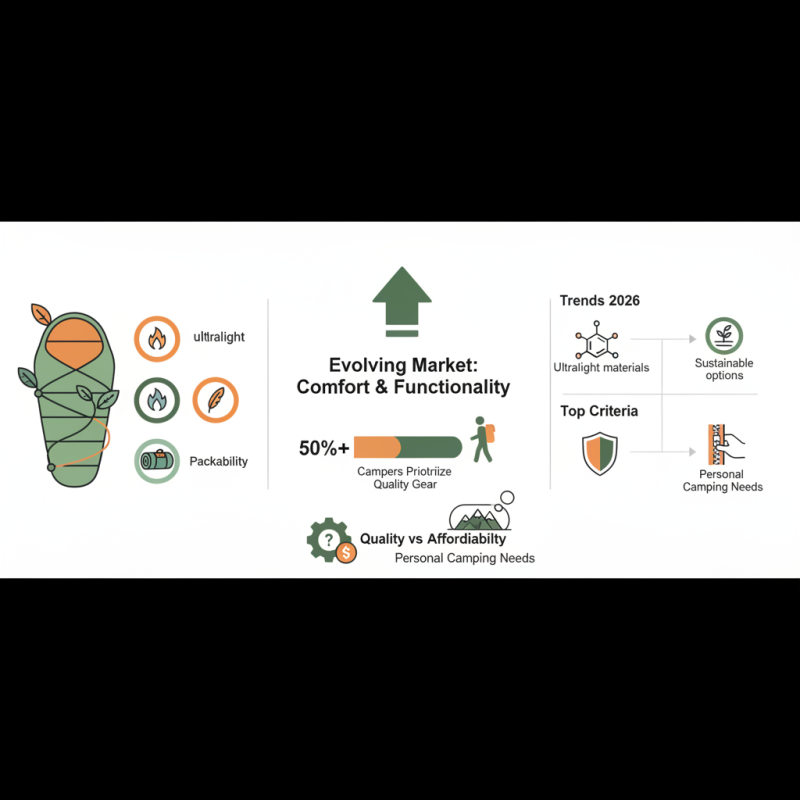
The camping sleeping bag market is evolving rapidly as outdoor enthusiasts seek comfort and functionality. According to a recent report by the Outdoor Industry Association, over 50% of campers prioritize the quality of their sleeping gear. Choosing the right camping sleeping bag can dramatically influence your outdoor experience. Factors such as warmth, weight, and packability play crucial roles.
Current trends show a shift towards ultralight materials and sustainable options, reflecting a growing eco-consciousness among campers. Reports suggest that durability and ease of use remain top criteria when selecting a sleeping bag. Despite advancements, many users report dissatisfaction with zippers and insulation effectiveness. These common issues are important to consider.
As we move toward 2026, it’s vital to explore what makes a camping sleeping bag optimal for diverse conditions. Investigating various materials, insulation technologies, and user experiences will guide users in making informed choices. Balancing quality and affordability can be challenging. Awareness of personal camping needs is essential.
Factors to Consider When Choosing a Camping Sleeping Bag
When choosing a camping sleeping bag, several factors play a crucial role. Temperature rating is one of the most important. It indicates how warm the bag will keep you. Look for bags rated for the lowest temperatures you might encounter. A sleeping bag that's too warm can lead to discomfort.
Material also matters. Down insulation is lightweight and compressible. Synthetic materials, on the other hand, can be bulkier but perform well when wet. Weigh the pros and cons of each beforehand. Check the durability of the outer fabric as well. It should withstand rough outdoor conditions.
Tips: Always check the zipper quality. A snagging zipper can ruin a good night’s sleep. Remember to consider the bag's shape. Mummy bags offer warmth but can feel snug. Rectangular bags provide more space but less warmth. Consider your personal comfort preferences.
Size should not be overlooked. A bag too big can make you cold. A bag too small can be restrictive. Experiment with different sizes for a better fit. Don’t hesitate to return a sleeping bag that doesn’t meet your needs. Comfort is key to a good camping experience.
Best Camping Sleeping Bags for 2026: Factors to Consider
This bar chart illustrates key factors to consider when choosing a camping sleeping bag, highlighting their importance on a scale from 1 to 5. Weight, insulation type, temperature rating, packability, and durability are crucial aspects for an enjoyable camping experience.
Types of Sleeping Bags: Which One is Right for You?
Choosing the right sleeping bag for your camping trip is crucial. There are several types to consider. Mummy bags are snug and great for warmth. They fit closely around the body, helping to retain heat. However, some find them too restrictive. If you value comfort more than weight, a rectangular sleeping bag might be ideal. These offer more room but can be bulkier to carry.
For backpackers, a lightweight bag with compressibility is important. Some bags even have distinguishing features like built-in liners or pockets for essentials. While these conveniences sound great, they can add weight. Pay attention to temperature ratings. It can be unsettling to realize you are underprepared for a chilly night. A good rule is to choose a bag rated for temperatures lower than you expect.
Lastly, consider seasonality. Three-season bags work for spring, summer, and fall. However, they may not be warm enough for winter camping. A winter bag may seem more expensive, but it pays off during cold nights. Think carefully about your needs. A few nights in discomfort could lead to regrets on future trips. Always reflect on your experiences to inform your future choices.
Temperature Ratings: Understanding Insulation and Comfort Levels
When choosing a sleepping bag for camping, temperature ratings play a crucial role. They indicate the lowest temperature at which the bag can provide comfort. Most bags have a "comfort rating" and a "low limit" rating. Understanding these ratings is key to a warm night of sleep.
Insulation materials also matter. Down insulation is lightweight and compressible. Synthetic materials, on the other hand, retain warmth even when wet. Think about your camping environment. Will you face wet conditions? Maybe a synthetic bag is for you. Occasionally, users overlook the importance of insulation type, leading to cold, uncomfortable nights.
Additionally, consider how you sleep. Do you prefer to curl up or stretch out? Some bags are mummy-shaped, which maximizes warmth. Others are rectangular, offering more space but less heat retention. Reflect on your personal habits. A sleeping bag can make or break your camping trip, so choose wisely.
Material and Design Features for Durability and Performance
When searching for the best camping sleeping bags, material and design features play a crucial role. Look for high-quality insulation materials that maintain warmth in cold conditions. Synthetic options work well in damp climates, while down insulation is lightweight and compressible. Consider the shell material too. Nylon or polyester offers durability and water resistance.
Tip: Always check the temperature rating before purchasing. A sleeping bag rated for colder temperatures can save your nights.
Design features should also match your camping style. A mummy design is great for warmth but may feel restrictive. On the other hand, a rectangular bag allows more room to move. Pockets and zippers can add convenience but may affect weight.
Tip: Try sleeping in different styles at home before buying. This can reveal what truly enhances your comfort. As you explore your options, remember that not every choice is perfect for everyone. Reflect on what matters most to you.
Budgeting for Your Camping Sleeping Bag: What to Expect in 2026
When budgeting for your camping sleeping bag in 2026, it's essential to consider several factors. Prices for quality bags have been on the rise, so expect to spend more. A standard sleeping bag may vary between 100 to 300 dollars. The material and insulation type have a significant impact on cost. Down insulation is often pricier than synthetic options. However, it offers better warmth-to-weight ratios.
Don’t forget about size and shape. A larger bag may cost more. However, it gives you extra comfort. Check the weight if you're hiking. Lightweight options are often more expensive, but they ease your journey. Look for features like draft collars and zippers, which can also affect the price. Sometimes these additions mean spending more, but they enhance your overall experience.
Be aware that the market can offer poor-quality products. These may seem cheap but often fail to perform. Investing in a reliable bag can save you money in the long run. A good bag lasts years and provides comfort through various conditions. Reflect on your needs while exploring options. It's crucial to weigh your preferences against your budget.