Top 10 Benefits of Mineral Wool Batts for Effective Insulation?
Insulation plays a crucial role in maintaining energy efficiency and comfort in homes. Among the various insulation materials available, Mineral Wool Batts have gained significant attention. These batts offer a unique combination of benefits, making them a popular choice for both new constructions and retrofitting older homes.
Mineral Wool Batts are made from natural minerals and recycled materials. This composition not only enhances their performance but also makes them an eco-friendly option. One notable feature is their ability to resist moisture. This resistance helps prevent mold growth, a common issue in insulation materials.
Moreover, Mineral Wool Batts provide excellent soundproofing qualities. They effectively reduce noise transmission, which is essential in urban environments. However, it's important to address the installation process. Improper installation can lead to gaps and reduced effectiveness. Homeowners should consider hiring professionals for the best results. While the benefits are clear, understanding the potential downsides is crucial for making an informed decision.
Overview of Mineral Wool Batts as Insulation Material
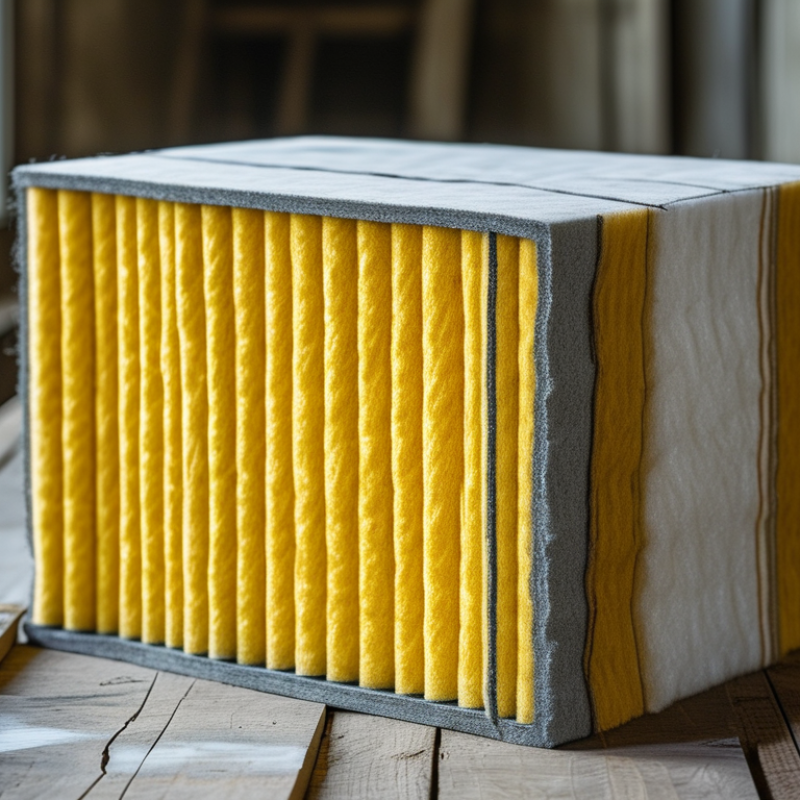
Mineral wool batts have gained consideration in the construction industry due to their effective insulation properties. This material is composed of inorganic fibers, making it resistant to heat and fire. Its structure allows it to reduce noise transmission significantly, enhancing acoustic comfort in spaces like homes and offices. The dense fibers not only insulate but also provide a barrier against moisture, which can help prevent mold growth.
Installation of mineral wool batts is relatively straightforward, accommodating various building designs. The flexibility of the material allows it to fit snugly into wall cavities, attics, and other spaces. This adaptability can often lead to a more efficient sealing and, ultimately, better energy performance. Yet, some users may encounter challenges with the dust created during installation. Proper protective gear and ventilation are essential to ensure worker safety and comfort.
Cost can also be a reflection of quality. While mineral wool batts can be pricier than some alternatives, their longevity and performance may justify the investment. Efforts to balance cost and quality remain a critical aspect of choosing insulation materials. The long-term benefits of energy savings and comfort can outweigh initial expenses, prompting thoughtful evaluation before making decisions.
Energy Efficiency Benefits of Mineral Wool Batts in Homes
Mineral wool batts offer superior energy efficiency in homes. They provide excellent thermal insulation, reducing heat loss during winter and keeping homes cool in summer. This dual function enhances indoor comfort year-round. Unlike traditional insulation materials, mineral wool batts can resist high temperatures. This feature contributes to energy savings and ensures peace of mind during hot weather.
Beyond temperature control, mineral wool batts improve sound insulation. Homes with these batts tend to have less noise pollution. This is particularly beneficial in urban areas. Homeowners often notice a quieter environment, enhancing relaxation.
However, installation can be challenging. Homeowners may struggle with achieving proper coverage. Gaps in installation can lead to energy loss. It's essential to follow best practices to maximize efficiency. Ensuring proper fitting and sealing can mitigate potential issues. Engaging a professional may be necessary for optimal results. The benefits are significant when installed correctly.
Top 10 Benefits of Mineral Wool Batts for Effective Insulation
| Benefit | Description | Energy Efficiency Rating |
| Excellent Thermal Insulation | Provides effective temperature regulation, reducing heating and cooling costs. | R-value of 3.7 to 4.0 per inch |
| Fire Resistance | Non-combustible and can withstand high temperatures without melting. | Rated Class A (non-combustible) |
| Sound Absorption | Effectively reduces noise transmission between rooms and from the outside. | NRC rating of 0.90+ |
| Moisture Resistance | Does not absorb water, preventing mold and mildew growth. | Hydrophobic properties |
| Eco-Friendly Material | Made from recycled materials, contributing to sustainable building practices. | Recycled content over 70% |
| Durability | Maintains its performance over time without sagging or settling. | Lifetime warranty on certain products |
| Easy Installation | Lightweight and easy to cut, allowing for quick and efficient installation. | Time-saving on-site installation |
| Formaldehyde-Free | Does not release harmful VOCs, promoting healthier indoor air quality. | GREENGUARD certified |
| Versatile Applications | Can be used in walls, ceilings, and floors for various building types. | Applicable in residential and commercial structures |
| Cost-Effectiveness | Provides long-term savings on energy bills, balancing initial installation costs. | ROI within 3-5 years |
Fire Resistance Properties of Mineral Wool Batts
Mineral wool batts are known for their exceptional fire resistance properties. They are made from natural and recycled materials, which contribute to their ability to withstand high temperatures. When exposed to flames, these batts do not ignite or melt, providing valuable time during emergencies. This feature helps protect both lives and property. Moreover, the non-combustible nature of mineral wool ensures that it will not emit toxic fumes, a crucial factor during a fire.
In addition to fire safety, mineral wool batts enhance overall insulation performance. Their dense structure creates an effective barrier against heat transfer, maintaining comfortable indoor temperatures. The material also naturally resists moisture, preventing mold growth that could compromise safety. Despite these advantages, some installation processes may be challenging without proper training. Ensuring correct placement is essential for maximizing benefits.
It is important to consider that while mineral wool is effective, it is not a one-size-fits-all solution. Evaluating specific needs and conditions is necessary. In various climates, supplementary insulation methods might be required. As with any insulation product, thorough research and expert advice can lead to the best outcomes.
Soundproofing Characteristics of Mineral Wool Batts
Mineral wool batts are not just effective for thermal insulation. They also offer outstanding soundproofing qualities. Their fibrous structure absorbs sound waves effectively, making them a popular choice for noise reduction in residential and commercial spaces. This unique characteristic is particularly beneficial for homes near busy roads or in densely populated areas.
In addition to absorbing sound, mineral wool batts are resistant to moisture and mold. This feature aids in maintaining better air quality, which can help reduce noise levels caused by unwanted acoustics. When properly installed in walls and ceilings, these batts create a peaceful environment. However, some may find the installation process a bit challenging if not done correctly, leading to potential gaps that can compromise their soundproofing abilities. Proper assessment of installation techniques is essential for optimal performance.
Top 10 Benefits of Mineral Wool Batts for Effective Insulation
Environmental Sustainability of Mineral Wool Batts in Insulation
When exploring insulation options, mineral wool batts stand out for their environmental sustainability. Made from natural and recycled materials, these batts provide effective insulation while minimizing waste. Their production process often uses slag from steel manufacturing, significantly reducing the carbon footprint. This repurposing not only conserves resources but also diverts waste from landfills.
In addition to resource efficiency, mineral wool batts contribute to energy savings over time. Their excellent thermal properties regulate indoor temperatures. This reduces reliance on heating and cooling systems, which lowers greenhouse gas emissions. The longevity of mineral wool also enhances its sustainability. Unlike some alternatives, it does not degrade quickly, ensuring lasting performance and minimal replacement needs.
However, not all aspects are perfect. The manufacturing of mineral wool can involve energy-intensive processes. It is essential to consider the entire lifecycle of the product. While its use of recycled materials is a plus, there remains a balance to achieve. The industry must continue seeking more eco-friendly production methods to enhance sustainability further. Reflecting on these factors is crucial for making informed and responsible insulation choices.