Top Bar Height Tables for Restaurants and Cafes
Bar Height Tables can make a restaurant or café feel more open, social, and flexible. They also change how guests sit, move, and reach their food. A table that looks right in a product photo may feel awkward beside a crowded walkway. Small details matter.
Furniture designer Charles Eames is often quoted as saying, “The details are not the details. They make the design.” That idea applies to hospitality furniture. Seat height, table stability, edge shape, and the space between stools all affect daily use. A difference of a few inches can change comfort. It can also affect how easily staff clear plates or guests settle in for a longer visit.
This guide explores how to choose Bar Height Tables for restaurants and cafés. It covers standard dimensions, stool compatibility, materials, layouts, and practical buying considerations. You’ll also find ways to assess durability and match a table’s style to your service. A café with quick counter-style seating has different needs from a restaurant serving full meals. Measure the room, then test the setup if possible. No chart can replace that check. It is easy to focus on appearance and overlook cleaning access or wobble on uneven flooring. Those details deserve a second look. The right choice balances comfort, traffic flow, maintenance, and the atmosphere you want guests to remember.
What Defines a Top Bar Height Table
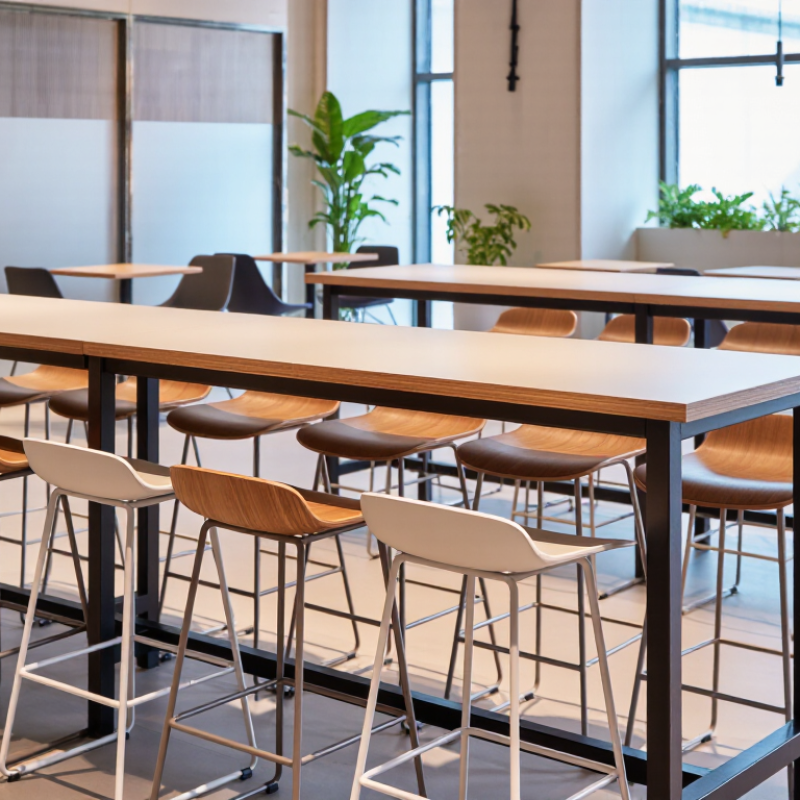
A top bar height table is usually about 40 to 42 inches tall, measured from the floor to the tabletop. That puts its surface above a standard dining table and typically higher than a counter-height table. The difference is noticeable when guests sit down. A bar-height stool often has a seat around 28 to 30 inches high, leaving room for knees beneath the table.
That sounds simple. In practice, matching the stool to the table takes more than comparing numbers. Check the distance between the seat and tabletop; roughly 10 to 12 inches of clearance usually feels comfortable. A built-in footrest can help guests settle in, especially during a longer meal. Small details matter: a thick tabletop reduces knee room, while a broad apron beneath it can make a well-sized table feel cramped.
Stability is another defining feature. Tall tables have a higher center of gravity, so a narrow or lightweight base may wobble when someone leans on an edge. In a busy café, sturdy legs and a level floor are worth checking in person. I would not assume every guest prefers bar seating, either; it can be awkward for children or anyone who finds climbing onto a high stool difficult. Measurements guide the choice, but a quick seat-and-table test often reveals what the specifications miss.
How Table Height Affects Seating and Service
Top bar height tables change more than the room’s silhouette. They alter posture, reach, and how easily staff can set down plates. A typical bar-height top stands 40–42 inches high, paired with stools around 28–30 inches. That pairing gives seated guests room for their legs, but only when footrests and table overhang are planned carefully. Small mismatch, big friction.
Height also affects service. A server carrying a tray needs a clear path to the tabletop, while guests need enough elbow room to eat comfortably. A tall edge can make passing dishes awkward, especially in narrow aisles. Counter-height tables, usually 34–36 inches, may suit mixed seating better. Still, the right choice depends on the menu, guest profile, and available floor space. A sleek silhouette is not enough.
Accessibility needs a separate check. The U.S. Access Board’s 2010 ADA Standards for Accessible Design, Section 902, specify dining and work surfaces 28–34 inches above the floor, with required knee and toe clearance. A high-top alone cannot serve every guest. These dimensions are a useful planning reference, not a substitute for checking the full layout. It is easy to overlook chair movement during a floor-plan review; that oversight can make service feel cramped.
Top Bar Height Tables for Restaurants and Cafes
Typical table and seat heights, in inches
Table height determines the matching seat height and affects how comfortably guests can sit, eat, and reach the table. A practical fit typically leaves about 10–12 inches between the seat and tabletop. Values shown are representative midpoints of common ranges; actual furniture dimensions vary.
Common Designs, Materials, and Base Types
Top bar tables work best when their shape matches the way people use a room. Round tops soften tight corners and make conversation easy, while square tables line up neatly along walls. Communal rectangular tables suit busy cafes, but they can feel crowded when guests need elbow room. Small details matter. Leave space for stools to slide out, and check that the tabletop height pairs comfortably with the seating. A footrest can make a noticeable difference during a long meal.
Material choice affects both appearance and daily upkeep. Solid wood brings warmth, though spills should be wiped promptly to limit marks. Laminate is easy to clean and handles frequent use, but damaged edges can be difficult to disguise. Metal tops offer a crisp look; they may feel cold to the touch. For bases, a central pedestal gives guests more legroom, while four-leg designs often feel familiar and stable. Weighted disc bases work in compact layouts, but their low profile can still obstruct feet. A table that looks balanced on a floor plan may wobble on uneven tiles. Test a sample setup with stools in place before ordering a full set.
Planning Bar-Height Tables in Restaurant and Cafe Layouts
Bar-height tables can create a lively dining area, but they need careful placement. Before choosing table sizes, measure the room, including door swings, service stations, and paths to the restroom. Map the route servers will take with full trays, not just an empty floor plan. Leave enough space for guests to pull out stools without blocking nearby seats. A chair that fits on paper may feel cramped during a busy service. Measure twice.
Tips: Use painter’s tape to mark each table footprint. Check the layout from the entrance and from seated eye level. Keep at least one route clear for guests who need more room to move. Small details matter.
Match table height with compatible stools, and confirm the seat height before ordering. A footrest can make a tall stool more comfortable during a longer meal. For mixed-use spaces, consider placing a few standard-height tables nearby; not every guest prefers a high seat. I would test one table-and-stool setup during a typical service before committing to a full layout. It may reveal awkward sightlines or a tight corner you missed. Some plans need revision. Test before ordering.
Selecting and Maintaining a Suitable Table
Choosing a bar-height table starts with measuring the room, not browsing finishes. Measure twice. Check the table height against the stools; guests should rest their feet comfortably and keep their knees clear. Before ordering, mark the tabletop’s footprint on the floor with tape. This reveals whether chairs can slide out without blocking a server’s path. In a narrow cafe, a smaller top may work better than an oversized communal table. A table can look elegant and still feel awkward at lunch.
Check the base for wobble on the actual floor surface. Uneven tiles and worn floorboards can expose instability that a showroom floor hides. A broad, weighted base often suits a busy dining area, while a pedestal can make seating easier to rearrange. Inspect joints and edges, too. Sharp corners may catch clothing, and thin finishes can show scratches quickly. The best choice depends on daily traffic, cleaning routines, and how often the layout changes.
Maintenance should match the table’s material. Wipe spills promptly, especially near seams, where moisture can cause swelling or staining. Use a soft cloth and a cleaner suited to the finish; harsh products may dull coatings. Check screws and glides regularly, since repeated movement can loosen them. A quick wipe is not always enough. Grease near the edge or grit under a foot may need closer attention. Keep a note of recurring damage, even if it seems minor; that pattern can reveal where the table needs a different position or more suitable care.