

As we look towards 2026, the landscape of Air Quality Monitoring is evolving. Air Quality Monitors have become essential in our increasingly polluted environment. These devices provide critical data about the air we breathe. This information is vital for health and safety.
Emerging trends reflect a shift towards smarter technology. Many monitors are now integrating AI and data analytics. This evolution enhances their accuracy and usability. Consumers are becoming aware of the impact of air quality on health. Therefore, demand for reliable Air Quality Monitors is on the rise.
However, not all monitors are created equal. The market is flooded with options, some lacking in reliability. Consumers must be cautious and discerning. Investing in a trustworthy monitor is crucial for obtaining accurate readings. A poor choice could lead to false safety assurances. It is essential to prioritize features like real-time data and comprehensive pollutant tracking.
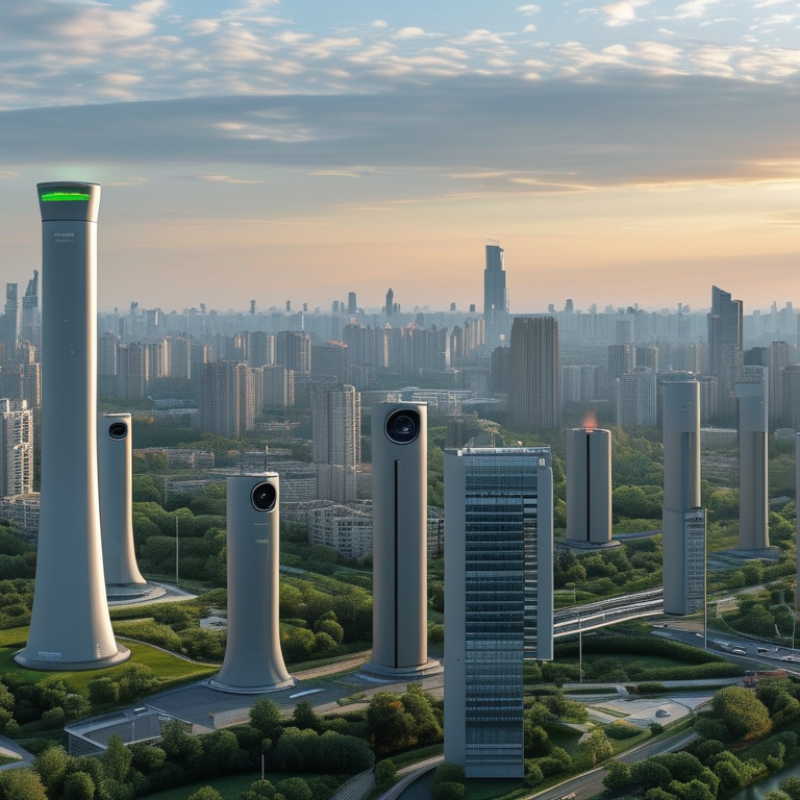
The air quality monitoring landscape is evolving rapidly. Emerging technologies are set to redefine how we understand and manage air pollution. According to a recent report by the World Health Organization, outdoor air pollution caused around 4.2 million deaths in 2019. This alarming statistic highlights the urgent need for advanced monitoring solutions.
Smart sensors equipped with Internet of Things (IoT) capabilities are becoming more prevalent. These devices enable real-time data collection and analysis, providing valuable insights into air quality. The global air quality monitoring equipment market is projected to reach $6.5 billion by 2026, reflecting a compound annual growth rate of over 8%. This growth indicates increasing investment in technology that can offer precise data.
However, challenges remain. Many current devices lack the accuracy needed to truly reflect local air conditions. Low-cost sensors may miss critical pollutants or deliver inconsistent data. Researchers emphasize the need for ongoing calibration and integration with high-quality reference stations. These efforts will ensure that emerging technologies can significantly enhance our understanding of air quality issues.