2026 Top Valve Lockout Chain Buying Guide for Global Buyers?
In the world of industrial safety, the importance of a reliable Valve Lockout Chain cannot be overstated. As safety expert Dr. Sarah Thompson once noted, "A secure valve lockout chain is a fundamental aspect of workplace safety." This quote emphasizes the critical role that valve lockout chains play in preventing accidents and ensuring compliance with safety regulations.
Choosing the right valve lockout chain can be a daunting task for global buyers. There are various factors to consider, such as material quality, length, and locking mechanisms. As industries strive for higher safety standards, understanding these nuances becomes crucial. Buyers may find themselves overwhelmed by options and uncertain about which features are essential for their specific needs.
While some products may boast advanced features, it’s vital to assess their reliability. Are these chains tested under real conditions? Do they withstand harsh environments? Reflecting on these questions can guide professionals toward wise purchasing decisions. In a field where safety is paramount, a well-informed choice can make a significant difference. The quest for the perfect valve lockout chain is both challenging and rewarding.
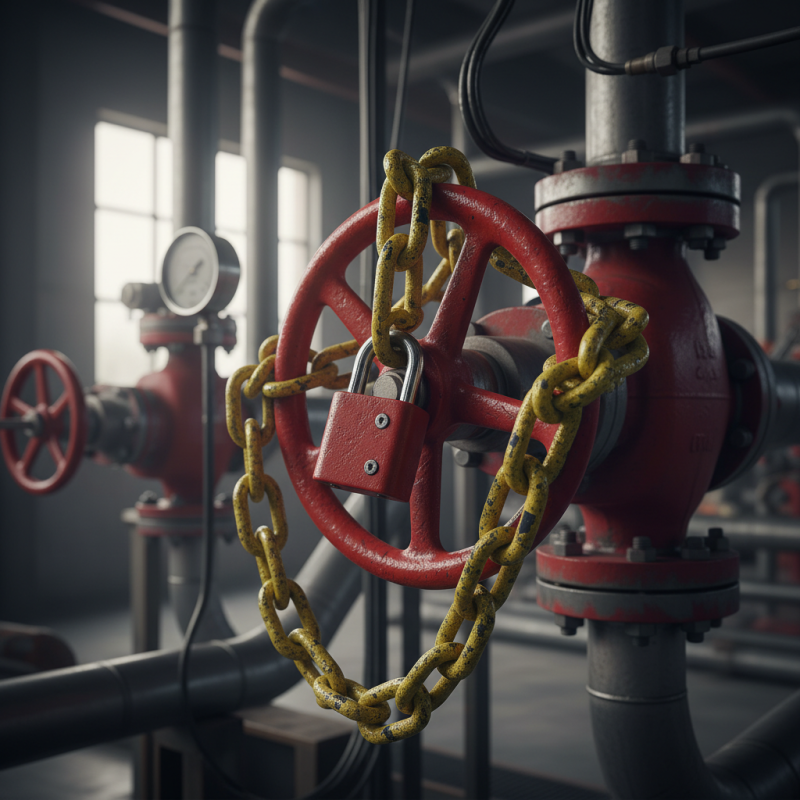
Understanding Valve Lockout Chains: Definition and Purpose
Valve lockout chains play a crucial role in safety. They are designed to secure valves during maintenance or repairs. When a valve is locked out, it prevents accidental operation. This is vital in environments where hazardous materials may be present. A clear understanding of how these chains work can significantly reduce workplace accidents.
The purpose of valve lockout chains is simple yet profound. They serve as a visible deterrent against unauthorized valve operation. A brightly colored chain clearly signals that a valve is out of service. Maintenance teams must be trained to recognize these signs. Proper use minimizes risks associated with equipment failure or unexpected leaks. However, confusion often arises regarding the correct application of these chains.
Many companies struggle with the implementation of valve lockout procedures. Incomplete training can lead to improper use, raising safety concerns. It's essential for organizations to regularly review their lockout/tagout protocols. Engaging employees in discussions about their experiences can uncover gaps in understanding. This reflection can drive improvements in safety practices. Spotting these imperfections is key to enhancing overall effectiveness.
2026 Top Valve Lockout Chain Buying Guide for Global Buyers
| Dimension | Material | Length (Feet) | Weight (lbs) | Color Options |
| 2" x 4" | Polymer | 10 | 1.5 | Red, Yellow |
| 3" x 5" | Steel | 20 | 3.0 | Blue, Green |
| 4" x 6" | Aluminum | 15 | 2.0 | Black, Orange |
| 1" x 2" | Plastic | 5 | 0.5 | White, Grey |
Key Features to Consider When Choosing Valve Lockout Chains
When choosing a valve lockout chain, several key features deserve attention. Consider the material used in construction. Durable materials like steel and high-quality plastics offer better resistance to corrosion and harsh environments. Chains with bright colors enhance visibility, making them easy to spot during critical operations. This visibility can prevent accidents and promote safety in workplaces.
Next, think about the size and compatibility of the chain. It's vital that the chain fits your specific valves and lockout devices. An ill-fitted chain can lead to ineffective lockouts. Additionally, assess the length of the chain. A chain that is too short may not secure all necessary components, while one that is excessively long can become cumbersome.
Remember the ease of use. A chain should be user-friendly, allowing quick and efficient lockouts. Some designs may be easier to manipulate than others. Look out for features such as quick-release mechanisms. These may seem minor but significantly impact operational efficiency. Always keep in mind that reliability is paramount. A low-quality chain can lead to failures. Pay attention to user reviews and feedback to gauge the overall effectiveness.
Types of Valve Lockout Chains and Their Applications
When it comes to valve lockout chains, understanding the types and their applications is crucial. These chains are key in enforcing safety during maintenance tasks. Common types include adjustable chains, rigid chains, and plastic chains. Adjustable chains offer flexibility for different valve sizes. Rigid chains provide stability and are often used for high-security applications. Plastic chains, while lightweight, can be effective in low-risk environments.
Tips: Always assess the environment before selecting a chain type. Consider factors like valve size and the potential risks involved. Regular checks can help ensure the chains remain functional.
Each application demands a specific lockout chain. In industrial settings, adjustable chains may be more versatile. They accommodate a range of equipment. Meanwhile, rigid chains are ideal for hazardous areas. They offer robust security to prevent unintentional operation. It's vital to understand these distinctions to enhance safety protocols effectively.
Tips: Don’t overlook the importance of training staff on proper usage. Misunderstanding can lead to ineffective lockout practices. Additionally, reconsider chain durability; environmental conditions can affect performance.
Top Brands and Products for Valve Lockout Chains in 2026
When considering valve lockout chains in 2026, it's essential to examine the leading options available in the market. The right chain can significantly enhance safety in industrial environments. Quality chains typically feature durable materials, ensuring longevity even in tough conditions. Look for options that resist corrosion and wear, as these factors directly impact performance.
Branded products often bring a better reputation. However, evaluating customer reviews is vital to understanding their functionality. Some popular variants have received mixed feedback regarding their installation processes. While many chains claim ease of use, users occasionally report confusion during setup. This inconsistency highlights that even recognized brands can have shortcomings.
It's also wise to explore chains with adjustable lengths. This flexibility allows for better fit across various valve sizes. Some users appreciate customizable features that enhance usability. However, adaptability can sometimes lead to decreased strength. This tradeoff requires thoughtful consideration when making a purchase. User experiences can guide choices, revealing which products excel in different situations.
Best Practices for Using and Maintaining Valve Lockout Chains
When using valve lockout chains, safety is paramount. These tools play a crucial role in controlling hazardous energy during maintenance or repair work. According to a 2022 report by the Occupational Safety and Health Administration (OSHA), improper lockout/tagout procedures lead to 120 fatalities each year in the U.S. This statistic highlights the importance of utilizing high-quality lockout systems.
To maintain the effectiveness of valve lockout chains, regular inspections are essential. Experts recommend checking for wear, corrosion, or damage every month. A study by the National Safety Council (NSC) revealed that 30% of workplace accidents occur due to equipment malfunction. Implementing a robust maintenance schedule for your lockout chains can significantly reduce this risk.
Using these chains correctly is equally vital. Workers should familiarize themselves with proper installation methods. A common mistake is failing to adequately secure the chain, which can lead to unforeseen accidents. In addition, training should be continuous. Engaging workers in safety drills reinforces their knowledge. Reflecting on these practices can help improve workplace safety standards and overall compliance.